Picture this: You're staring at your DeFi dashboard like a deer in headlights. Numbers everywhere, percentages flying around like confetti at a crypto conference. Your yield farming adventure feels more like yield farming torture. Sound familiar?
Don't worry—you're not alone in this digital wilderness. Most DeFi enthusiasts struggle with calculating yield farming profits accurately. The good news? You can master these calculations with the right tools and formulas.
This guide shows you exactly how to calculate yield farming profits using free calculator tools and proven formulas. You'll learn to track your APY, understand impermanent loss, and maximize your DeFi returns.
What is Yield Farming and Why Calculate Profits?
Yield farming lets you earn rewards by providing liquidity to decentralized finance protocols. You deposit cryptocurrency pairs into liquidity pools and receive tokens as compensation.
But here's the catch: Not all farming opportunities are profitable. Without proper calculations, you might lose money instead of earning it.
Key Metrics You Need to Track
Annual Percentage Yield (APY): Your total returns including compound interest Impermanent Loss: Temporary loss from token price changes Gas Fees: Transaction costs that eat into profits Farming ROI: Return on investment from your farming activities
Essential Yield Farming Profit Formulas
Basic APY Calculation Formula
// Simple APY calculation
function calculateAPY(principal, finalAmount, days) {
  const dailyReturn = (finalAmount / principal) - 1;
  const apy = ((1 + dailyReturn) ** 365) - 1;
  return apy * 100; // Convert to percentage
}

// Example usage
const principal = 1000; // $1,000 initial investment
const finalAmount = 1050; // $1,050 after 30 days
const days = 30;

const apy = calculateAPY(principal, finalAmount, days);
console.log(`APY: ${apy.toFixed(2)}%`);
// Output: APY: 73.50%
Compound Interest Formula for Yield Farming
// Compound interest calculation for daily rewards
function calculateCompoundReturns(principal, dailyRate, days) {
  const compoundAmount = principal * Math.pow(1 + dailyRate, days);
  return compoundAmount - principal;
}

// Example: 0.2% daily rewards for 365 days
const dailyRate = 0.002; // 0.2% daily
const profit = calculateCompoundReturns(1000, dailyRate, 365);
console.log(`Annual profit: $${profit.toFixed(2)}`);
// Output: Annual profit: $1,097.75
Impermanent Loss Calculation
// Impermanent loss formula
function calculateImpermanentLoss(priceRatio) {
  const impermanentLoss = (2 * Math.sqrt(priceRatio)) / (1 + priceRatio) - 1;
  return impermanentLoss * 100;
}

// Example: Token A doubled in price relative to Token B
const priceChange = 2; // 2x price increase
const loss = calculateImpermanentLoss(priceChange);
console.log(`Impermanent loss: ${Math.abs(loss).toFixed(2)}%`);
// Output: Impermanent loss: 5.72%
Top Free Yield Farming Calculator Tools
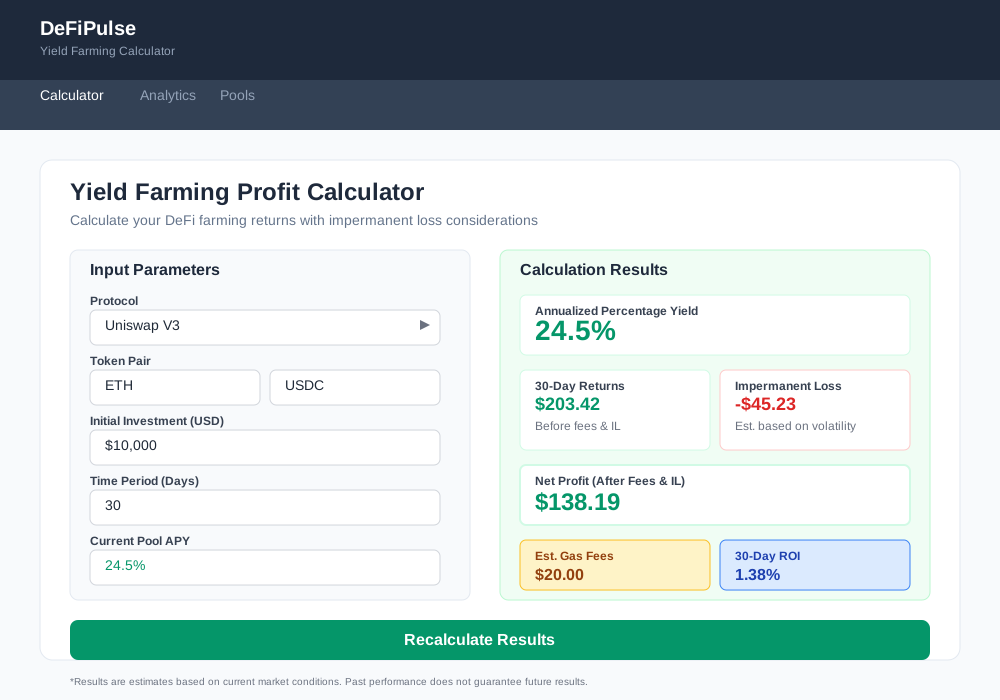
1. DeFiPulse Yield Farming Calculator
Features:
- Real-time APY tracking
- Multi-protocol support
- Impermanent loss calculations
- Gas fee estimates
Best for: Beginners who want simple calculations
2. Zapper.fi Portfolio Tracker
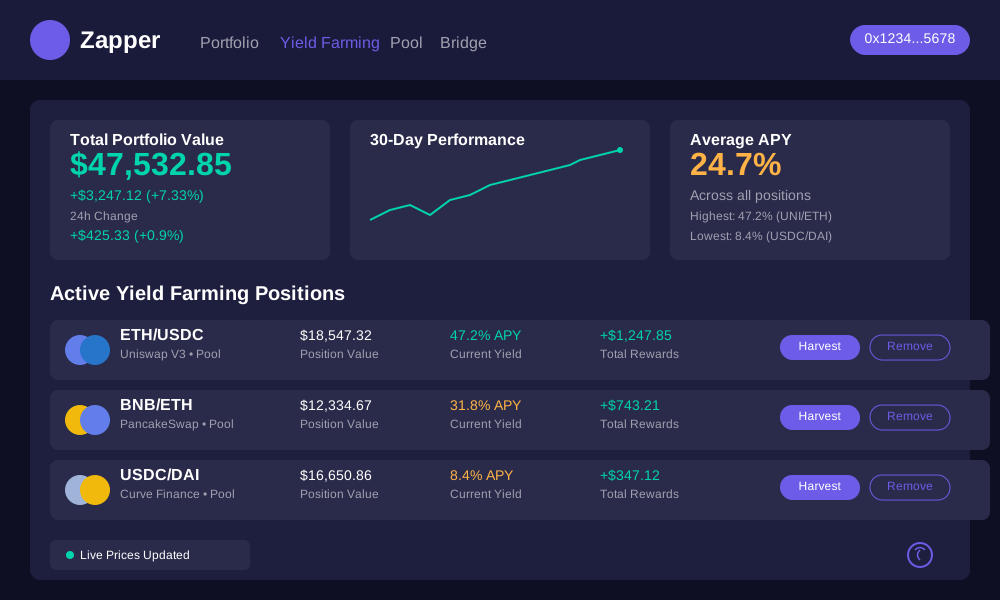
Features:
- Automatic profit/loss tracking
- Multi-wallet support
- Historical performance data
- Tax reporting tools
Best for: Active farmers managing multiple positions
3. DeBank DeFi Portfolio
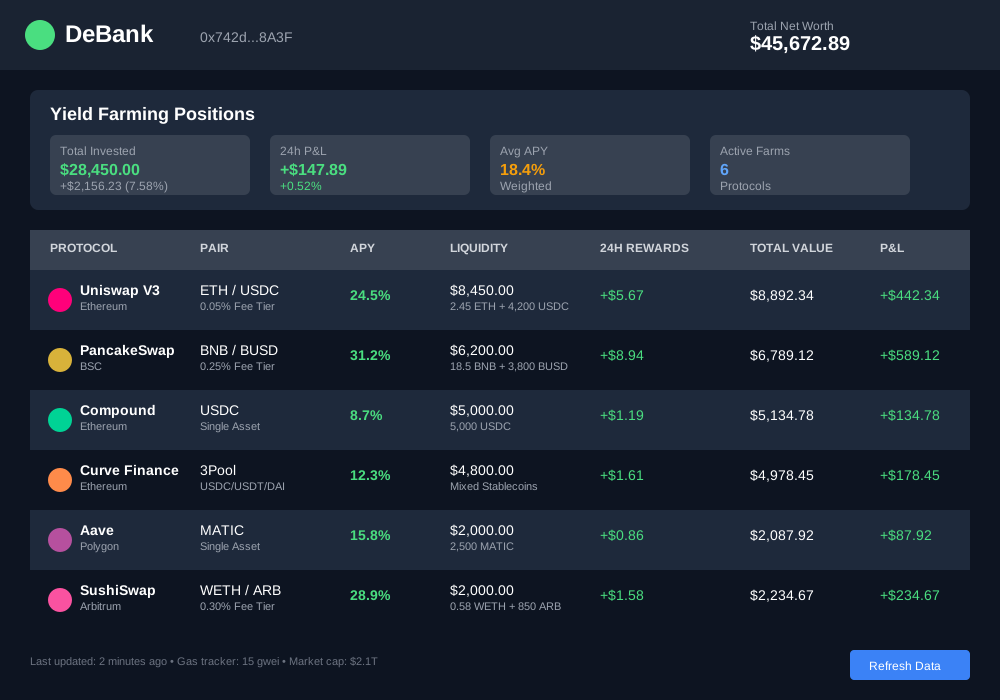
Features:
- Real-time yield tracking
- Cross-chain support
- Detailed analytics
- Mobile app available
Best for: Cross-chain yield farmers
Step-by-Step Profit Calculation Process
Step 1: Track Your Initial Investment
Record these details for each farming position:
const farmingPosition = {
  protocol: "Uniswap V3",
  tokenA: "ETH",
  tokenB: "USDC",
  initialAmountA: 1.0,
  initialAmountB: 3000,
  initialValue: 6000, // Total USD value
  startDate: "2025-01-01",
  poolAddress: "0x...",
  transactionHash: "0x..."
};
Step 2: Calculate Daily Returns
function calculateDailyReturns(currentValue, initialValue, days) {
  const totalReturn = (currentValue - initialValue) / initialValue;
  const dailyReturn = totalReturn / days;
  return {
    totalReturn: totalReturn * 100,
    dailyReturn: dailyReturn * 100,
    annualizedReturn: (dailyReturn * 365) * 100
  };
}
Step 3: Account for Fees and Costs
function calculateNetProfit(grossProfit, gasFees, protocolFees) {
  const netProfit = grossProfit - gasFees - protocolFees;
  const netMargin = (netProfit / grossProfit) * 100;

  return {
    netProfit: netProfit,
    netMargin: netMargin,
    totalCosts: gasFees + protocolFees
  };
}
Step 4: Monitor and Adjust
Set up alerts for:
- APY changes below your threshold
- Impermanent loss exceeding 5%
- Gas fees spiking above normal levels
Advanced Profit Optimization Strategies
Gas Fee Optimization
Time your transactions during low-activity periods:
// Gas fee tracking function
function trackGasFees(transactions) {
  const totalGas = transactions.reduce((sum, tx) => sum + tx.gasFee, 0);
  const averageGas = totalGas / transactions.length;

  return {
    totalGasCost: totalGas,
    averageGasCost: averageGas,
    gasEfficiency: (totalGas / totalProfit) * 100
  };
}
Multi-Protocol Yield Comparison
// Compare yields across protocols
function compareProtocolYields(protocols) {
  return protocols.map(protocol => ({
    name: protocol.name,
    apy: protocol.apy,
    risk: protocol.riskScore,
    efficiency: protocol.apy / protocol.riskScore
  })).sort((a, b) => b.efficiency - a.efficiency);
}
Common Calculation Mistakes to Avoid
Mistake 1: Ignoring Impermanent Loss
Many farmers focus only on APY without considering impermanent loss. Always calculate both:
// Total return calculation including impermanent loss
function calculateTotalReturn(farmingRewards, impermanentLoss) {
  const netReturn = farmingRewards - Math.abs(impermanentLoss);
  return netReturn;
}
Mistake 2: Forgetting Gas Fees
Gas fees can eat 20-30% of your profits on smaller positions. Track them religiously:
// Minimum position size for profitability
function calculateMinimumPosition(expectedApy, gasCosts, timeFrame) {
  const minPosition = (gasCosts * 365) / (expectedApy * timeFrame);
  return minPosition;
}
Mistake 3: Not Accounting for Token Price Changes
Your profits depend on both farming rewards and underlying token performance.
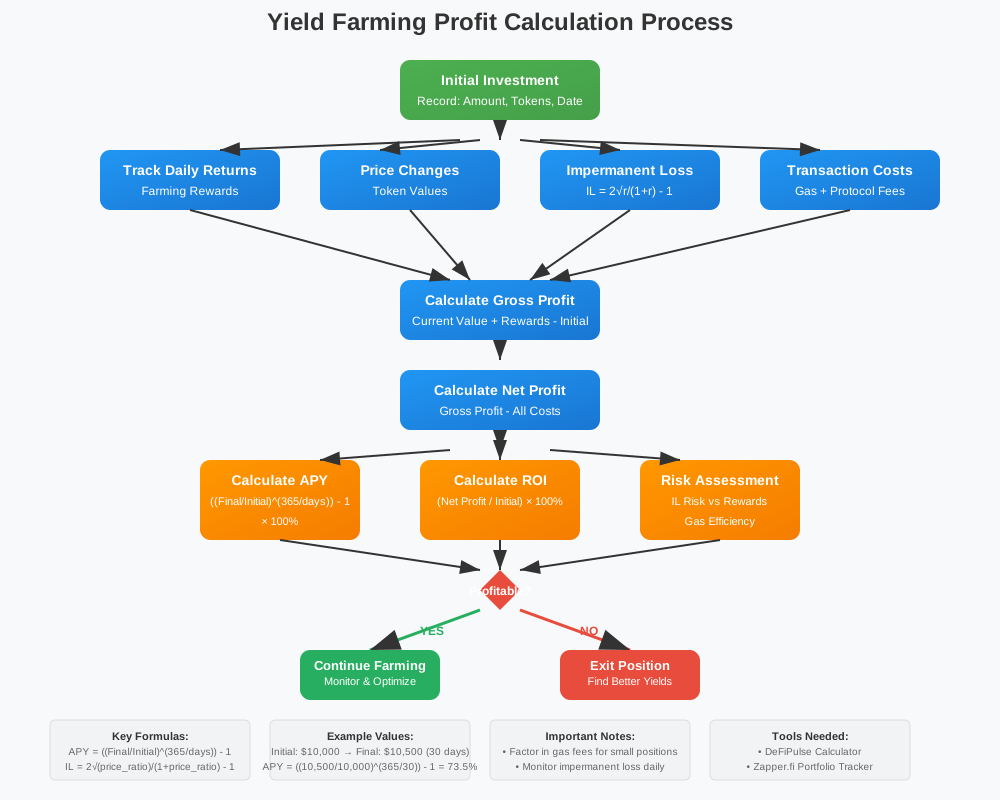
Real-World Calculation Example
Let's walk through a complete example:
// Real farming scenario
const farmingExample = {
  initial: {
    eth: 2.0,
    usdc: 6000,
    totalValue: 12000,
    date: "2025-01-01"
  },
  current: {
    eth: 2.1,
    usdc: 6150,
    totalValue: 12450,
    date: "2025-02-01",
    rewardsEarned: 120
  },
  costs: {
    gasFees: 85,
    protocolFees: 25
  }
};

// Calculate results
const days = 31;
const grossProfit = farmingExample.current.totalValue - farmingExample.initial.totalValue + farmingExample.current.rewardsEarned;
const netProfit = grossProfit - farmingExample.costs.gasFees - farmingExample.costs.protocolFees;
const dailyReturn = (netProfit / farmingExample.initial.totalValue) / days;
const annualizedReturn = dailyReturn * 365 * 100;

console.log(`Net profit: $${netProfit}`);
console.log(`Annualized return: ${annualizedReturn.toFixed(2)}%`);
// Output: Net profit: $460
// Output: Annualized return: 13.95%
Building Your Own Yield Farming Calculator
Basic Calculator Structure
class YieldFarmingCalculator {
  constructor() {
    this.positions = [];
    this.totalInvested = 0;
    this.totalReturns = 0;
  }

  addPosition(position) {
    this.positions.push(position);
    this.totalInvested += position.initialValue;
  }

  calculateOverallReturn() {
    const totalCurrent = this.positions.reduce((sum, pos) => sum + pos.currentValue, 0);
    const totalRewards = this.positions.reduce((sum, pos) => sum + pos.rewardsEarned, 0);
    const totalCosts = this.positions.reduce((sum, pos) => sum + pos.totalCosts, 0);

    return {
      totalProfit: totalCurrent + totalRewards - this.totalInvested - totalCosts,
      roi: ((totalCurrent + totalRewards - this.totalInvested - totalCosts) / this.totalInvested) * 100
    };
  }
}
Integration with DeFi APIs
// Fetch real-time data from DeFi protocols
async function fetchProtocolData(protocolName, poolAddress) {
  try {
    const response = await fetch(`https://api.${protocolName}.com/pools/${poolAddress}`);
    const data = await response.json();

    return {
      currentAPY: data.apy,
      tvl: data.totalValueLocked,
      volume24h: data.volume24h,
      fees24h: data.fees24h
    };
  } catch (error) {
    console.error(`Error fetching data for ${protocolName}:`, error);
    return null;
  }
}
Tax Considerations for Yield Farming
Tracking for Tax Purposes
// Tax calculation helper
function calculateTaxableEvents(transactions) {
  const taxableEvents = transactions.filter(tx =>
    tx.type === 'reward' || tx.type === 'harvest' || tx.type === 'withdrawal'
  );

  return taxableEvents.map(event => ({
    date: event.date,
    type: event.type,
    amount: event.amount,
    usdValue: event.usdValue,
    taxImplication: event.type === 'reward' ? 'income' : 'capital_gain'
  }));
}
Record-Keeping Best Practices
- Save all transaction hashes
- Record USD values at transaction time
- Track gas fees for deduction purposes
- Maintain detailed spreadsheets
Conclusion
Calculating yield farming profits requires attention to detail and the right tools. Use these formulas and calculator tools to track your DeFi returns accurately. Remember to account for impermanent loss, gas fees, and market volatility.
Start with simple calculations and gradually add complexity as you gain experience. The key to successful yield farming lies in consistent monitoring and accurate profit calculations.
Ready to optimize your yield farming strategy? Try these calculator tools today and watch your DeFi returns improve.