Your Yield Farm Just Became a Horror Movie: Time for an Exit Strategy
Picture this: You wake up to check your yield farming portfolio, and your $10,000 investment shows $847. No, that's not a display bug. Welcome to DeFi's version of a jump scare.
Smart yield farmers plan their exits before they need them. This guide shows you how to build automated emergency exit strategies that protect your investments when protocols fail, markets crash, or smart contracts get exploited.
What you'll learn:
- Setup automated exit triggers using price thresholds
- Create manual emergency procedures for crisis situations
- Build monitoring systems that alert you to protocol risks
- Implement portfolio protection across multiple DeFi platforms
Why Yield Farmers Need Emergency Exit Strategies
The DeFi Risk Reality
Yield farming offers attractive returns, but risks multiply quickly. Smart contracts can fail. Tokens can depeg. Protocols can get exploited.
Common yield farming disasters:
- Rug pulls: Developers abandon projects with user funds
- Smart contract exploits: Hackers drain protocol treasuries
- Impermanent loss: Token price changes destroy portfolio value
- Liquidity crises: Unable to withdraw funds during panic
The Cost of Poor Exit Planning
Without emergency plans, farmers lose more than necessary. Panic selling amplifies losses. Manual exits take too long during crises.
Real impact example:
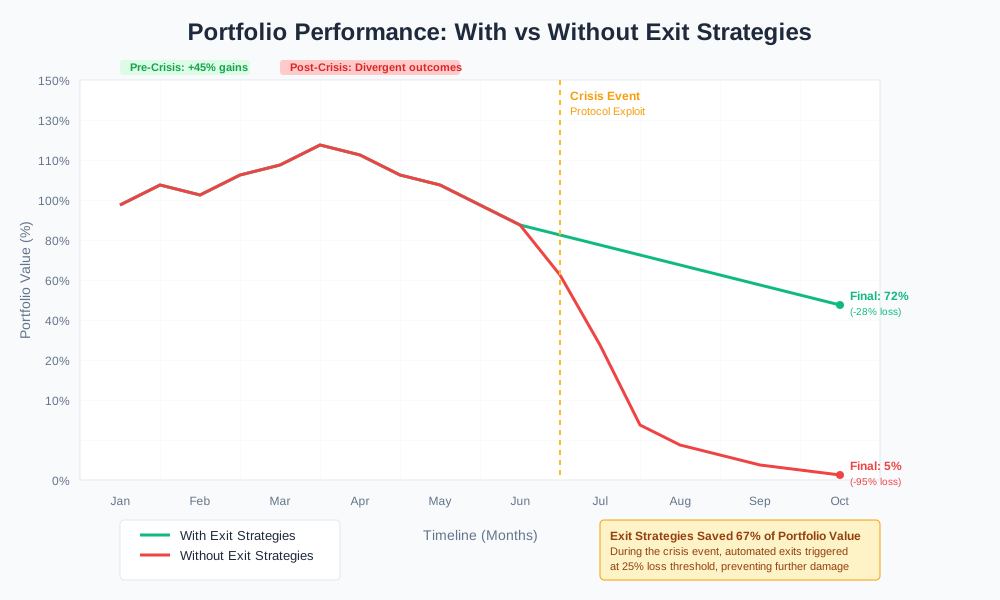
- Terra Luna collapse: Farmers with exit strategies lost 20-30%
- Farmers without plans: Lost 90-100% of investments
Setting Up Automated Exit Triggers
Price-Based Exit Triggers
Automated triggers execute exits when asset prices hit predetermined levels. This protects against major market downturns.
Setup steps:
Choose trigger thresholds
- Conservative: 15% loss trigger
- Moderate: 25% loss trigger
- Aggressive: 40% loss trigger
Select monitoring tools
- DeFi Pulse for protocol TVL tracking
- DeBank for portfolio monitoring
- Zapper for cross-protocol analysis
Configure automated actions
// Example automated exit trigger (conceptual)
const exitTrigger = {
  asset: "USDC-ETH LP",
  lossThreshold: 0.25, // 25% loss
  action: "withdraw_and_swap",
  targetAsset: "USDC"
}

// Monitor price changes
function checkExitCondition(currentValue, initialValue) {
  const lossPercentage = (initialValue - currentValue) / initialValue;

  if (lossPercentage >= exitTrigger.lossThreshold) {
    executeEmergencyExit();
    sendAlert("Emergency exit triggered: 25% loss detected");
  }
}
TVL-Based Exit Signals
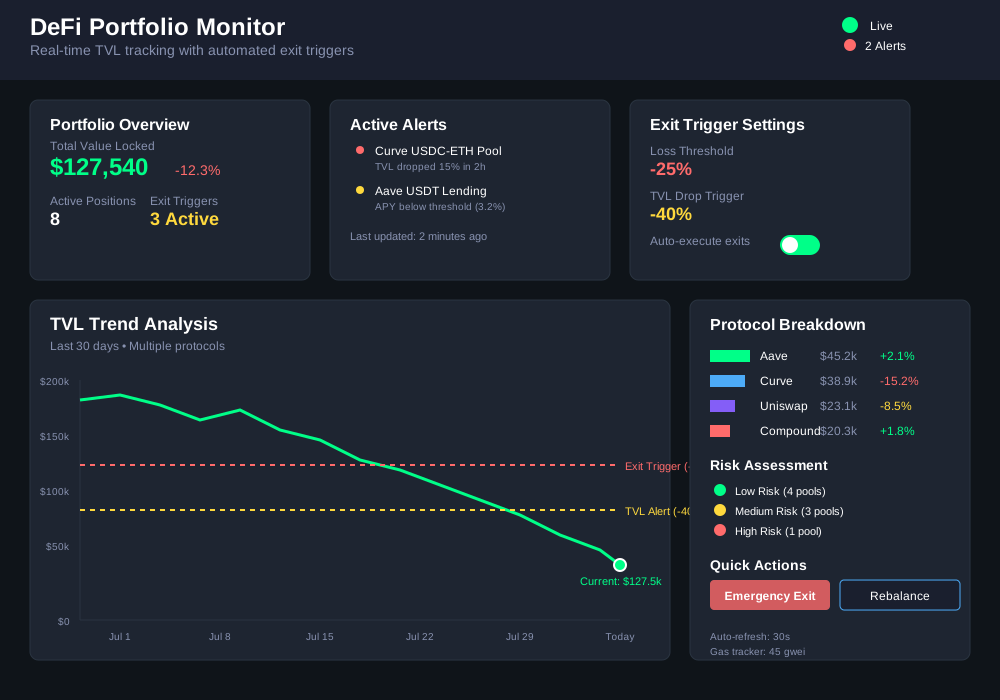
Total Value Locked (TVL) drops often signal protocol problems. Set triggers when TVL falls rapidly.
TVL monitoring setup:
# TVL monitoring example
import requests
import time

def monitor_protocol_tvl(protocol_address):
    current_tvl = get_protocol_tvl(protocol_address)
    baseline_tvl = get_historical_average(protocol_address, days=30)

    # Trigger if TVL drops 40% below 30-day average
    if current_tvl < (baseline_tvl * 0.6):
        trigger_exit_sequence()
        notify_emergency_contact()
Manual Emergency Exit Procedures
The 5-Minute Exit Protocol
When automated systems fail, manual procedures save your funds. Practice these steps before you need them.
Step 1: Assess the situation (30 seconds)
- Check protocol status on Twitter/Discord
- Verify if withdrawals are still functioning
- Identify affected pools vs safe pools
Step 2: Prioritize exits (60 seconds)
- Exit highest-risk positions first
- Focus on largest dollar amounts
- Ignore small positions if time is critical
Step 3: Execute withdrawals (3 minutes)
- Withdraw from liquidity pools immediately
- Swap volatile tokens to stablecoins
- Move funds to secure wallets
Step 4: Document and review (30 seconds)
- Record exit prices and losses
- Note what triggered the emergency
- Plan improvements for next time
Emergency Exit Checklist
□ Withdraw from all affected liquidity pools
□ Unstake rewards tokens immediately
□ Swap volatile assets to USDC/USDT
□ Move funds to hardware wallet
□ Cancel any pending transactions
□ Check for stuck approvals or locks
□ Document losses for tax purposes
□ Review and update exit strategy
Protocol Risk Monitoring Systems
Multi-Layer Monitoring Approach
Effective monitoring combines multiple data sources. No single indicator predicts all crises.
Layer 1: Price monitoring
- Token price changes (>10% hourly moves)
- Trading volume spikes (>300% normal volume)
- Liquidity pool imbalances
Layer 2: Protocol health
- Smart contract upgrades or changes
- Developer activity on GitHub
- Team communication frequency
Layer 3: Community sentiment
- Social media mention sentiment
- Discord/Telegram discussion tone
- Trading community warnings
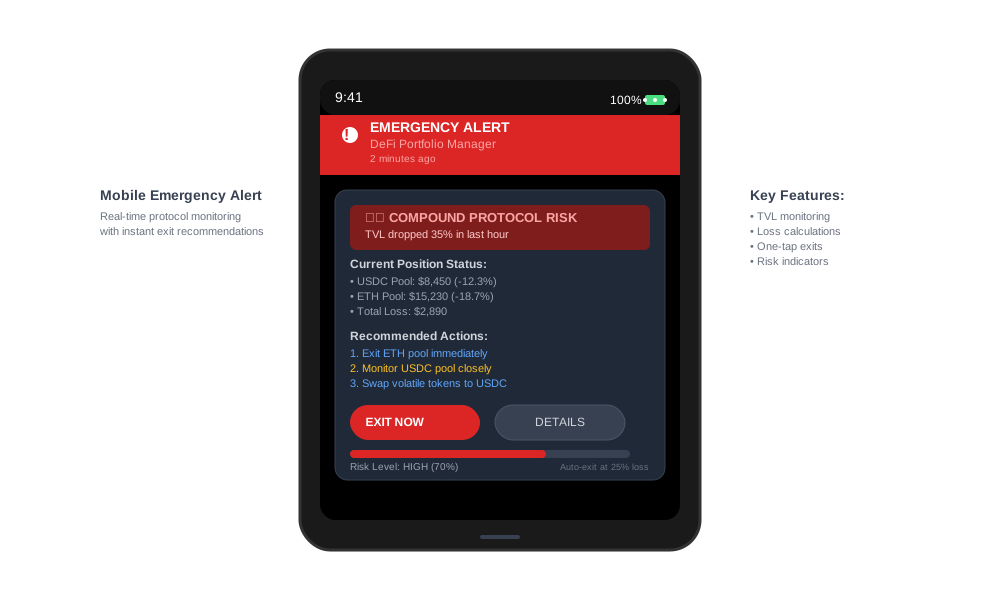
Setting Up Monitoring Alerts
Discord webhook integration:
// Discord alert system
const discordWebhook = "YOUR_WEBHOOK_URL";

function sendEmergencyAlert(message, severity) {
  const alertColors = {
    low: 0x00ff00,     // Green
    medium: 0xffff00,  // Yellow
    high: 0xff0000     // Red
  };

  const embed = {
    title: "🚨 Yield Farming Alert",
    description: message,
    color: alertColors[severity],
    timestamp: new Date().toISOString()
  };

  fetch(discordWebhook, {
    method: 'POST',
    headers: { 'Content-Type': 'application/json' },
    body: JSON.stringify({ embeds: [embed] })
  });
}
Cross-Protocol Portfolio Protection
Diversification Strategy
Spread investments across multiple protocols. This limits exposure when single protocols fail.
Recommended allocation:
- 40% in blue-chip protocols (Aave, Compound)
- 30% in established DeFi platforms (Uniswap, Curve)
- 20% in newer high-yield opportunities
- 10% in experimental protocols
Universal Exit Commands
Prepare withdrawal scripts for all protocols you use. Test these monthly.
// Example universal withdrawal interface
contract EmergencyExitManager {
    mapping(address => IProtocol) protocols;

    function emergencyExitAll() external onlyOwner {
        for (uint i = 0; i < protocolCount; i++) {
            address protocol = protocolAddresses[i];
            IProtocol(protocol).withdrawAll(msg.sender);
        }

        // Convert all tokens to USDC
        convertAllToStablecoin();
    }
}
Recovery and Post-Crisis Planning
Damage Assessment Process
After executing emergency exits, assess what happened and why.
Assessment framework:
- Financial impact: Calculate actual losses vs potential losses
- Timing analysis: How quickly did you respond to signals?
- System performance: Which monitoring tools worked best?
- Decision quality: Were exit triggers appropriate?
Improving Your Exit Strategy
Use crisis experiences to strengthen future planning.
Common improvements:
- Lower exit trigger thresholds
- Add more monitoring data sources
- Practice manual exit procedures
- Update protocol risk assessments
Advanced Exit Strategy Tools
Automated Exit Services
Gelato Network: Automate complex exit conditions
- Custom trigger logic
- Cross-chain exit execution
- Gas optimization features
Chainlink Keepers: Reliable automation infrastructure
- Decentralized trigger system
- High uptime guarantees
- Integration with major protocols
DeFi Saver: Automated position management
- Stop-loss orders for DeFi positions
- Automatic rebalancing triggers
- Portfolio protection tools
Building Custom Solutions
On-chain exit contracts:
pragma solidity ^0.8.0;

contract YieldFarmingExitStrategy {
    struct ExitCondition {
        uint256 priceThreshold;
        uint256 tvlThreshold;
        bool isActive;
    }

    mapping(address => ExitCondition) public exitConditions;

    function setExitCondition(
        address asset,
        uint256 priceThreshold,
        uint256 tvlThreshold
    ) external {
        exitConditions[asset] = ExitCondition({
            priceThreshold: priceThreshold,
            tvlThreshold: tvlThreshold,
            isActive: true
        });
    }

    function checkAndExecuteExit(address asset) external {
        ExitCondition memory condition = exitConditions[asset];
        require(condition.isActive, "Exit condition not active");

        // Check price and TVL conditions
        if (shouldExit(asset, condition)) {
            executeExit(asset);
        }
    }
}
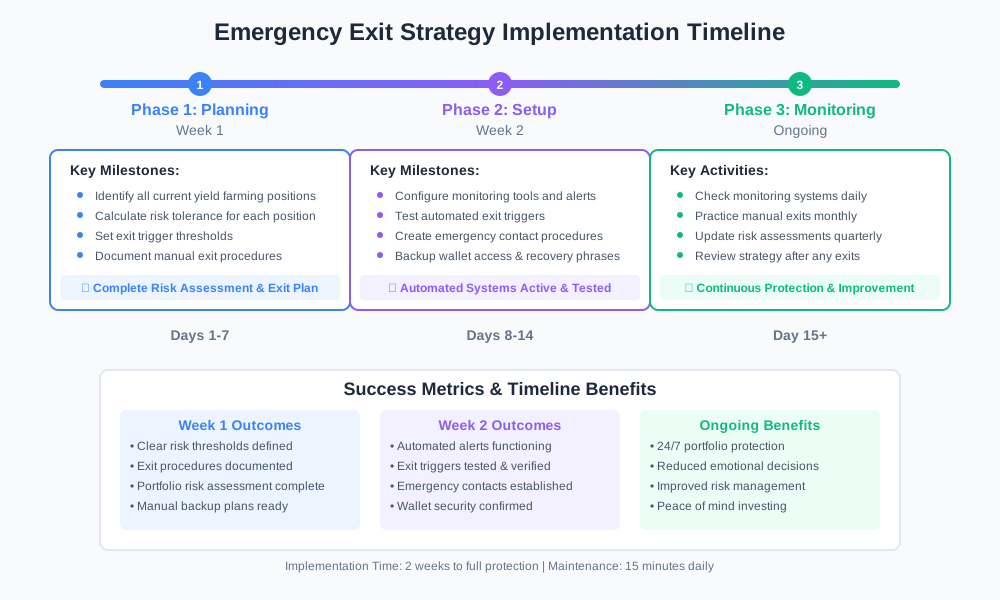
Emergency Exit Strategy Implementation Checklist
Phase 1: Planning (Week 1)
- Identify all current yield farming positions
- Calculate risk tolerance for each position
- Set exit trigger thresholds
- Document manual exit procedures
Phase 2: Setup (Week 2)
- Configure monitoring tools and alerts
- Test automated exit triggers on small positions
- Create emergency contact procedures
- Backup wallet access and recovery phrases
Phase 3: Monitoring (Ongoing)
- Check monitoring systems daily
- Practice manual exit procedures monthly
- Update risk assessments quarterly
- Review and improve strategy after any exits
Conclusion: Your DeFi Safety Net is Ready
Emergency exit strategies transform yield farming from gambling into calculated investing. Automated triggers protect your portfolio when you're sleeping. Manual procedures save funds during black swan events.
The farmers who survive DeFi winters are those who plan for storms during sunny days. Your yield farming emergency exit strategy is now your competitive advantage.
Key takeaways:
- Setup automated exit triggers at 15-25% loss levels
- Monitor protocol health across multiple data sources
- Practice manual exit procedures before crises hit
- Diversify across protocols to limit single points of failure
Start implementing your emergency exit strategy today. Your future self will thank you when the next DeFi crisis hits.