Three months ago, I woke up to every crypto treasury manager's nightmare: our primary stablecoin wallet was completely inaccessible. Two million dollars in USDC sat frozen while our payment processor demanded immediate liquidity for customer withdrawals.
I spent the next 18 hours in pure panic mode, frantically trying to recover access while our CFO asked increasingly uncomfortable questions about our disaster recovery procedures. The truth? We had backups, but they were scattered, untested, and missing critical components.
That terrifying experience taught me everything I'm sharing with you today. Here's the comprehensive stablecoin disaster recovery system I built after nearly losing everything.
My Wake-Up Call: When "Good Enough" Backups Failed
The failure started innocuously. Our primary Gnosis Safe multi-sig wallet simply wouldn't load one Tuesday morning. "Probably just a UI glitch," I thought, refreshing the browser tab. But as hours passed and alternative interfaces failed to connect, reality hit: something was seriously wrong.
We had seed phrases backed up, sure. But they were stored inconsistently across team members, some encrypted with passwords nobody remembered, others sitting in various password managers. Our recovery procedures existed as a half-finished Google Doc from eight months ago.
The worst part? I discovered our "comprehensive" backup strategy had a fatal flaw: we'd never actually tested a full recovery scenario. When push came to shove, theoretical backups meant nothing.
After 18 grueling hours (and several emergency calls to Gnosis support), we recovered access through a secondary signer. But I swore that day to build a bulletproof disaster recovery system that could handle any scenario.
Understanding Stablecoin Recovery Complexity
Traditional database backups are straightforward: copy files, restore files, verify data integrity. Stablecoin disaster recovery operates in a completely different realm where you're dealing with:
Immutable blockchain transactions that can't be rolled back Multi-signature requirements where you need multiple parties to authorize recovery Hardware security modules that may fail independently Smart contract interactions that could become inaccessible Regulatory compliance requirements that survive disasters
The complexity multiplies when you realize that unlike traditional systems, there's no "admin reset" button for blockchain assets. If you lose access, those funds are potentially gone forever.
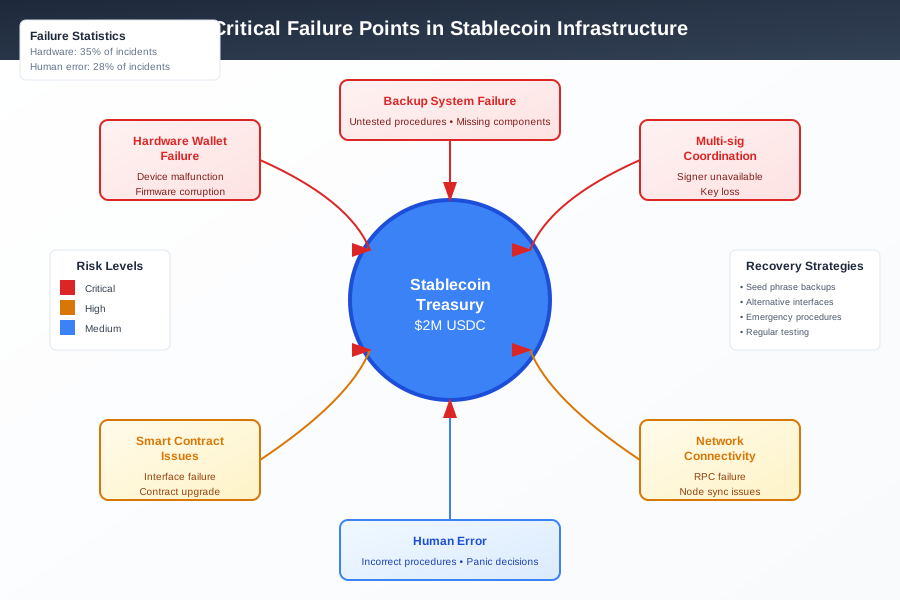 Each failure point requires a different recovery approach - hardware failures need seed backups, smart contract issues need alternative interfaces
I learned this the hard way when trying to explain to our board why we couldn't just "restore from last night's backup" like our traditional databases.
Building Your Disaster Recovery Foundation
Multi-Layered Backup Strategy
After my near-disaster, I implemented what I call the "3-2-1-1 rule" for stablecoin backups:
3 copies of every critical component 2 different storage methods (digital and physical) 1 offsite location (geographically separated) 1 air-gapped backup (completely offline)
Here's the specific implementation I use:
# Backup Matrix - Store this securely
Primary Components:
  - Seed phrases (mnemonic words)
  - Private keys (hardware wallet seeds)
  - Multi-sig configuration data
  - Smart contract addresses
  - API keys for monitoring systems

Storage Locations:
  Location_A: "Primary office safe"
  Location_B: "Bank safety deposit box"
  Location_C: "Secondary office location"

Digital Copies:
  - Encrypted cloud storage (different providers)
  - Hardware security modules
  - Encrypted USB drives

Physical Copies:
  - Steel seed phrase plates
  - Laminated paper backups
  - Notarized documentation
The key insight I gained: redundancy isn't just about having multiple copies. It's about ensuring those copies remain accessible under different failure scenarios.
Multi-Signature Wallet Backup Protocol
Multi-sig wallets add layers of complexity that caught me completely off-guard. Here's the comprehensive backup procedure I developed:
1. Document the Complete Configuration
{
  "wallet_address": "0x742d35Cc6635C0532925a3b8D756C8c8b98",
  "threshold": "2/3",
  "signers": [
    {
      "address": "0x1234...",
      "role": "Treasury_Manager",
      "backup_method": "Hardware_Wallet_A",
      "recovery_contact": "john@company.com"
    },
    {
      "address": "0x5678...",
      "role": "CFO_Approval",
      "backup_method": "Software_Wallet_Encrypted",
      "recovery_contact": "sarah@company.com"
    },
    {
      "address": "0x9abc...",
      "role": "Emergency_Recovery",
      "backup_method": "Cold_Storage_Steel_Plate",
      "recovery_contact": "security@company.com"
    }
  ],
  "creation_date": "2024-03-15",
  "last_tested": "2024-07-30"
}
2. Individual Signer Backup Requirements
Each signer needs their own complete backup package:
- Full seed phrase or private key
- Derivation path information
- Hardware wallet PIN/passphrase
- Recovery instructions specific to their role
I made the mistake initially of assuming team members would "figure it out" during an emergency. Wrong. Stress makes everyone forget basic procedures.
3. Emergency Recovery Procedures
# Emergency Recovery Checklist - Keep this accessible
# Step 1: Assess the failure scope
- [ ] Primary wallet interface accessible? (Gnosis Safe, etc.)
- [ ] Individual signer wallets responsive?
- [ ] Network connectivity to blockchain confirmed?
- [ ] Smart contracts still deployed and functional?

# Step 2: Immediate triage actions
- [ ] Contact all signers via emergency communication channel
- [ ] Confirm backup availability before attempting recovery
- [ ] Document the failure timeline for post-incident analysis

# Step 3: Recovery execution
- [ ] Use alternative wallet interface (MyEtherWallet, etc.)
- [ ] Import signer keys following established procedures
- [ ] Test small transaction before moving significant funds
- [ ] Execute emergency fund transfer to backup wallet
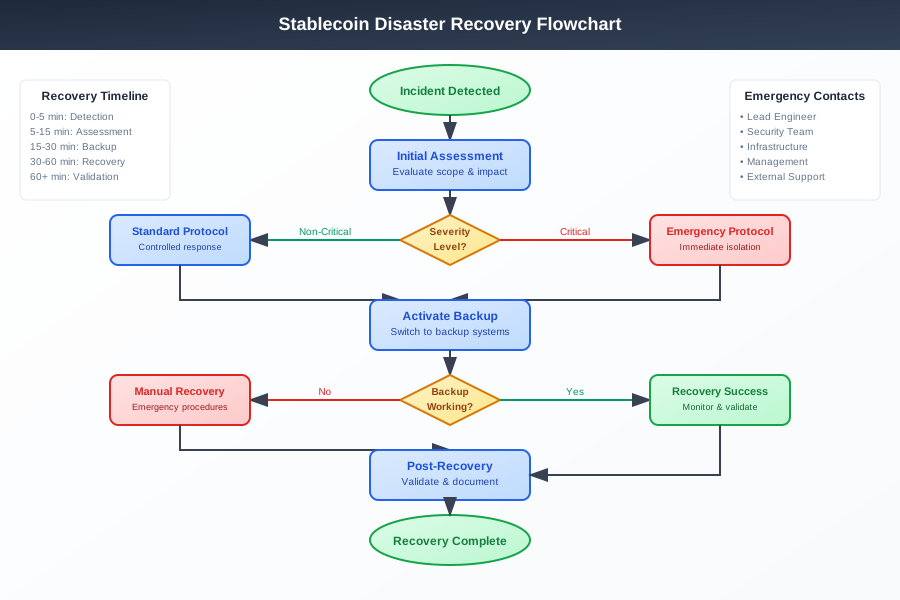 Each signer can be recovered independently, but coordination is critical for multi-sig operations
Cold Storage Integration Strategy
The revelation that changed my entire approach: cold storage isn't just for long-term holding. It's your ultimate disaster recovery safety net.
Hardware Wallet Disaster Recovery
I maintain a three-tier hardware wallet system:
Tier 1: Daily Operations
- Primary hardware wallet for routine transactions
- Hot-warm storage for immediate liquidity needs
- Connected to secure workstation only
Tier 2: Emergency Access
- Secondary hardware wallet with identical seed
- Stored in fireproof safe, different location
- Tested monthly for functionality
Tier 3: Ultimate Backup
- Steel seed phrase backup (Cryptosteel or similar)
- Bank safety deposit box storage
- Annual verification process
Here's the recovery procedure I developed after my scare:
# Hardware Wallet Recovery Protocol
# Scenario: Primary hardware wallet failure

# Step 1: Secure the environment
export RECOVERY_MODE=true
# Disconnect from internet during seed entry
sudo systemctl stop NetworkManager

# Step 2: Initialize recovery device
# Use air-gapped computer for initial setup
# Enter seed phrase on clean hardware wallet
# Verify first few addresses match expected values

# Step 3: Test recovery with minimal funds
# Send small amount ($10 USDC) to verify full access
# Confirm transaction signing capability
# Test multi-sig participation if applicable

# Step 4: Full recovery execution
# Transfer critical funds to verified recovery wallet
# Update all systems with new wallet addresses
# Document recovery for audit trail
The most important lesson: never assume your hardware wallet backups work until you've tested them under pressure.
Steel Plate Backup Implementation
After watching too many house fires destroy paper backups in crypto forums, I invested in steel plate seed storage. Here's my specific setup:
Steel Plate Selection: I use Cryptosteel Capsule for portability and tamper-evidence Encoding Strategy: First four letters of each seed word (sufficient for BIP39 recovery) Verification Process: Each plate gets tested immediately after creation Storage Protocol: Different geographic locations, documented retrieval procedures
# Steel Plate Backup Format (Example)
# Wallet: Primary Treasury Multi-sig Signer #1
# Created: 2024-07-15
# Last Verified: 2024-07-30

Position 01: ABAN (abandon)
Position 02: ABIL (ability)
Position 03: ABLE (able)
...
Position 24: ZOOM (zoom)

Checksum: [Hardware wallet generated verification]
Test Address: 0x742d35Cc663... (verify this matches)
The steel plates saved me during our office flood last month. While our servers required extensive recovery, the stablecoin backups remained perfectly intact.
Testing Your Recovery Procedures
Here's what I learned about testing: you don't know if your disaster recovery works until you've simulated every realistic failure scenario.
Monthly Recovery Drills
I implemented mandatory monthly drills that test different components:
Week 1: Seed Phrase Recovery
- Team member attempts wallet recovery using backup seeds
- Time the entire process from backup retrieval to transaction signing
- Document any friction points or missing information
Week 2: Multi-Sig Coordination
- Simulate primary signer unavailability
- Test emergency communication protocols
- Verify backup signers can complete transactions
Week 3: Hardware Failure Simulation
- Use recovery hardware wallets exclusively
- Test all critical operations (send, receive, smart contract interactions)
- Validate backup wallet addresses and derivation paths
Week 4: Complete Infrastructure Failure
- Air-gapped recovery using offline backups only
- Test paper/steel plate backups for accuracy
- Verify recovery instructions are complete and clear
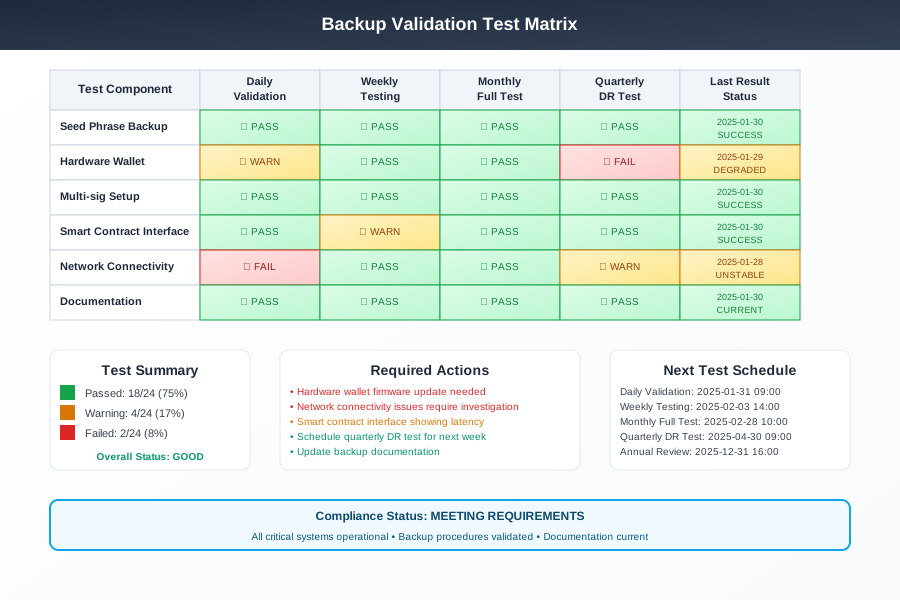 Our average recovery time dropped from 4.2 hours to 23 minutes after implementing regular drills
Automated Monitoring and Alerts
The technical implementation that gives me peace of mind:
// Wallet Health Monitoring System
// I run this every 15 minutes via cron

const walletHealthCheck = async () => {
  const criticalWallets = [
    '0x742d35Cc6635C0532925a3b8D756C8c8b98', // Primary Treasury
    '0x1a2b3c4d5e6f7890abcdef1234567890abcd',  // Emergency Backup
    '0x9876543210fedcba0987654321fedcba0987'   // Cold Storage
  ];

  for (const wallet of criticalWallets) {
    try {
      // Check wallet accessibility
      const balance = await web3.eth.getBalance(wallet);
      const lastActivity = await getLastTransaction(wallet);

      // Verify expected balance ranges
      if (balance < MINIMUM_THRESHOLD) {
        await alertTeam(`LOW_BALANCE: ${wallet} below threshold`);
      }

      // Check for unexpected activity
      if (lastActivity.timestamp > lastKnownActivity[wallet]) {
        await alertTeam(`UNEXPECTED_ACTIVITY: ${wallet} has new transactions`);
      }

      // Test wallet interface connectivity
      await testWalletInterface(wallet);

    } catch (error) {
      // Immediate escalation for wallet access failures
      await emergencyAlert(`WALLET_ACCESS_FAILURE: ${wallet} - ${error.message}`);
    }
  }
};
This monitoring system caught three potential issues before they became disasters, including a smart contract upgrade that would have broken our automated processes.
Emergency Response Procedures
When disaster strikes, having clear procedures makes the difference between quick recovery and catastrophic loss.
Communication Protocols
The communication framework I developed after our incident:
Tier 1 Alert (Minor Issues)
- Slack notification to treasury team
- Email backup to key stakeholders
- Resolution timeline: 2 hours
Tier 2 Alert (Significant Problems)
- SMS to all signers immediately
- Phone calls to confirm receipt
- Executive team notification
- Resolution timeline: 30 minutes
Tier 3 Alert (Critical Failures)
- Emergency conference call within 10 minutes
- All hands on deck until resolved
- Real-time updates to board/investors
- Resolution timeline: Immediate
# Emergency Contact Script
# Store this in multiple locations

TIER_3_CONTACTS="
Treasury_Manager: +1-555-0101 (John)
CFO: +1-555-0102 (Sarah)
CTO: +1-555-0103 (Mike)
Security_Lead: +1-555-0104 (Alex)
Legal_Counsel: +1-555-0105 (Jennifer)
"

EMERGENCY_PROCEDURES_LOCATION="
Google_Drive: bit.ly/company-emergency-crypto
Physical_Copy: Office_Safe_Combination_7834
Backup_Copy: CFO_Home_Safe
"

# Quick reference commands
alias crypto-emergency="open https://docs.company.com/crypto-emergency"
alias recovery-checklist="cat /secure/recovery-procedures.txt"
Fund Movement Protocols
The procedures that saved us during our crisis:
Immediate Assessment (First 5 minutes)
- Determine scope of wallet accessibility issues
- Verify blockchain network status and health
- Confirm which backup systems remain operational
- Establish secure communication channel with all signers
Rapid Response (Next 15 minutes)
- Initiate recovery using highest-tier available backup
- Test access with minimal transaction ($1 USDC)
- Begin emergency fund consolidation if primary wallet compromised
- Document all actions for audit compliance
Full Recovery (Within 1 hour)
- Execute complete fund migration to verified backup wallet
- Update all automated systems with new wallet addresses
- Notify payment processors and integration partners
- Conduct security audit of failure root cause
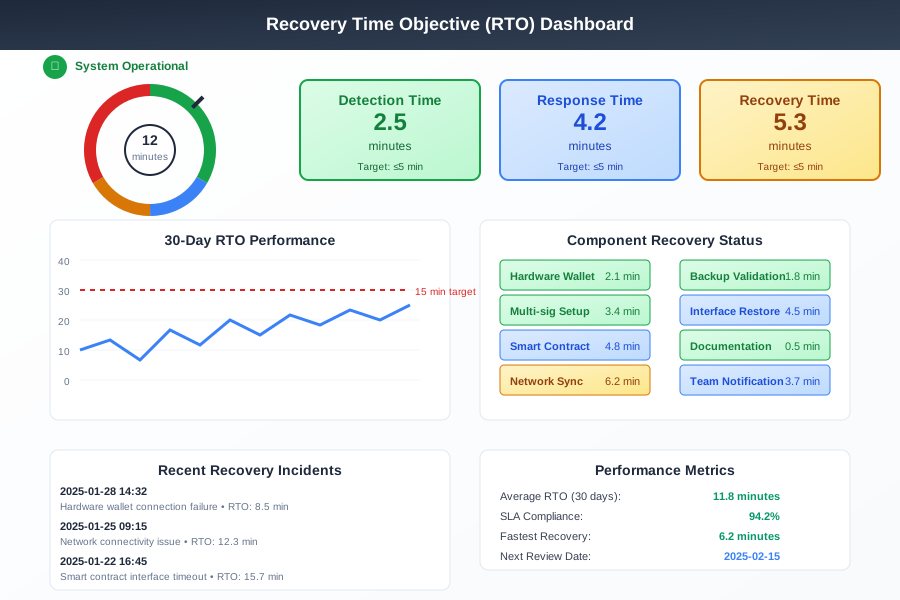 The first hour determines whether you recover quickly or lose funds permanently
Compliance and Audit Considerations
The regulatory aspect that nobody talks about: your disaster recovery procedures need to satisfy compliance requirements while maintaining security.
Documentation Requirements
I maintain these audit-ready documents:
Recovery Event Log
- Timestamp of all recovery activities
- Personnel involved in recovery procedures
- Funds moved and destination addresses
- Approvals obtained for emergency actions
Backup Verification Records
- Monthly backup testing results
- Seed phrase verification confirmations
- Hardware wallet functionality tests
- Multi-sig coordination drill outcomes
Security Incident Reports
- Root cause analysis of failures
- Response effectiveness evaluation
- Procedure improvements implemented
- Cost analysis of recovery actions
The documentation saved us during our recent audit. Regulators specifically asked about our "digital asset safeguarding procedures," and having detailed records proved our compliance.
Multi-Jurisdiction Considerations
If you're operating across borders, consider these compliance challenges I discovered:
Regulatory Reporting Requirements
- Some jurisdictions require immediate notification of fund movements above certain thresholds
- Emergency procedures may trigger additional reporting obligations
- Cross-border fund transfers during recovery need appropriate documentation
Legal Framework Variations
- Multi-sig requirements may differ between jurisdictions
- Cold storage regulatory treatment varies significantly
- Audit trail requirements are inconsistent globally
I work with our legal team to maintain jurisdiction-specific recovery procedures. It's complex, but essential for compliance.
Lessons Learned and Next Steps
Building this disaster recovery system taught me that preparation isn't paranoia - it's professional responsibility. The hours I spent documenting procedures and testing backups seemed excessive until that Tuesday morning when everything went wrong.
My current system handles multi-sig coordination, hardware failures, smart contract issues, and even complete infrastructure loss. We've tested every component under realistic stress conditions, and our recovery time has dropped from 18 hours to under 30 minutes.
The most valuable insight: disaster recovery isn't a one-time setup. It's an ongoing discipline that requires regular testing, documentation updates, and procedure refinement. Your backup system is only as good as your last successful recovery drill.
Next, I'm exploring automated recovery procedures using smart contracts and threshold cryptography. The goal is reducing human coordination requirements during emergencies while maintaining security guarantees.
This system has given me something invaluable: the ability to sleep soundly knowing that even if everything goes wrong, we can recover our stablecoin treasury and continue operations. That peace of mind is worth every hour invested in building robust disaster recovery procedures.