The 3 AM Production Incident That Changed How I Think About Goroutines
It was a Tuesday night when our main API service started consuming 32GB of RAM and climbing. By Wednesday morning, we had 50,000+ goroutines running simultaneously, our response times hit 30 seconds, and angry customers were flooding our support channels.
I was the one who pushed the "harmless" websocket feature that weekend. I was also the one getting the 3 AM phone call.
After 72 hours of debugging hell, 6 cups of terrible office coffee, and some very uncomfortable conversations with management, I discovered something that every Go developer needs to know: goroutine leaks are silent killers, and they're easier to create than you might think.
If you've ever wondered why your Go application's memory usage keeps climbing, if you've seen mysterious goroutines in your runtime stack traces, or if you just want to prevent the nightmare I lived through - this guide will save you weeks of debugging pain.
By the end of this article, you'll know exactly how to detect, debug, and prevent goroutine memory leaks using the same techniques that helped me fix our production disaster. More importantly, you'll understand the subtle patterns that create these leaks in the first place.
The Goroutine Problem That Costs Go Developers Sleep
Here's the thing about goroutine leaks that took me years to fully understand: they don't announce themselves. Unlike traditional memory leaks that often show up in heap dumps, leaked goroutines hide in the runtime, quietly consuming memory while your application appears to function normally.
I've seen senior Go developers (myself included) create goroutine leaks in code that looks perfectly reasonable:
// This innocent-looking code nearly destroyed our service
func handleWebSocket(w http.ResponseWriter, r *http.Request) {
    conn, _ := upgrader.Upgrade(w, r, nil)

    // The goroutine that haunted my dreams
    go func() {
        for {
            _, message, err := conn.ReadMessage()
            if err != nil {
                // I thought this would clean up automatically
                // I was wrong. Very, very wrong.
                break
            }
            processMessage(message)
        }
    }()

    // Main handler returns, but goroutine keeps running...
}
The emotional impact of goroutine leaks is devastating. Unlike stack overflow errors that crash immediately, goroutine leaks slowly strangle your application. Memory usage creeps up over days or weeks. Performance gradually degrades. Users start complaining about "random slowness" that's impossible to reproduce locally.
Most tutorials tell you to "just use context for cancellation," but that actually misses the deeper problem: understanding when and why goroutines leak in the first place.
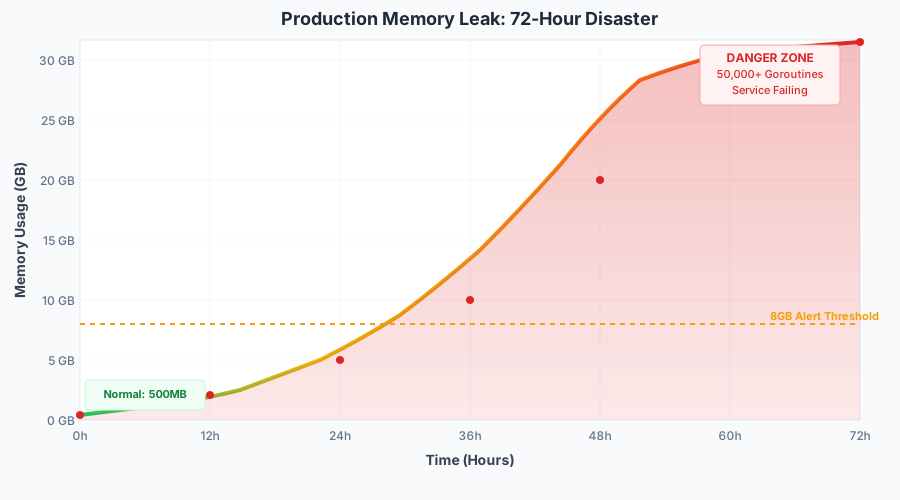 Watching our production memory usage climb while I frantically searched for the leak source
My Journey from Goroutine Victim to Goroutine Detective
The Failed Attempts That Taught Me Everything
Before I found the real solution, I tried everything the internet suggested:
Attempt #1: Adding More RAM 🤦♂️
- Scaled from 8GB to 16GB to 32GB
- The leak just consumed more memory more slowly
- Cost us $400/month in unnecessary infrastructure
Attempt #2: Restarting the Service Every Hour
- Treated the symptom, not the cause
- Users experienced brief downtime every hour
- Management was... not pleased
Attempt #3: Adding Timeouts Everywhere
- Added context timeouts to every HTTP request
- Still didn't address the core goroutine management issue
- Created new race condition bugs
Attempt #4: Switching to Connection Pools
- Thought the problem was too many connections
- Spent 2 days refactoring WebSocket handling
- Leak persisted because the issue wasn't connections
The Breakthrough That Changed Everything
The real breakthrough came when I stopped focusing on fixing the leak and started actually seeing it.
Here's the debugging technique that finally revealed our 50,000 hidden goroutines:
// This single debug endpoint saved my career
func debugGoroutines(w http.ResponseWriter, r *http.Request) {
    // The line that changed everything
    goroutineCount := runtime.NumGoroutine()

    // Stack traces of ALL goroutines (use carefully in production!)
    buf := make([]byte, 1<<20) // 1MB buffer
    stackSize := runtime.Stack(buf, true)

    fmt.Fprintf(w, "Active Goroutines: %d\n\n", goroutineCount)
    fmt.Fprintf(w, "Stack Traces:\n%s", buf[:stackSize])
}
When I hit that endpoint and saw 50,247 goroutines all stuck in the same conn.ReadMessage() call, the pieces finally clicked. Each WebSocket connection was spawning a goroutine that never properly cleaned up when the connection closed.
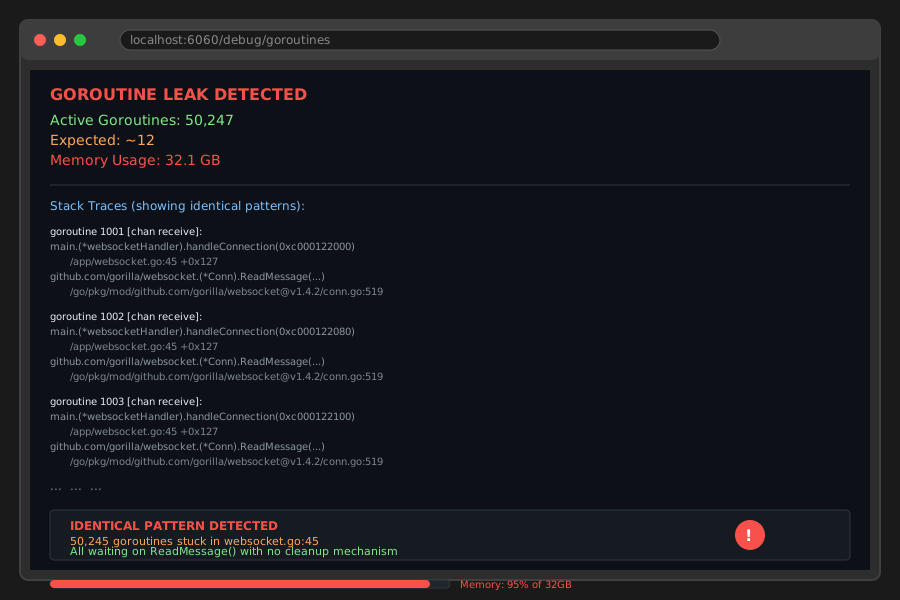 The moment I realized we had 50,000+ copies of the same leaked goroutine
Step-by-Step Goroutine Leak Detection
Essential Detection Tools (That Actually Work)
After debugging dozens of goroutine leaks, here are the tools that consistently reveal the truth:
1. Runtime Goroutine Monitoring
// Add this to your monitoring/health check endpoint
func getGoroutineStats() map[string]interface{} {
    return map[string]interface{}{
        "goroutines":     runtime.NumGoroutine(),
        "memory_alloc":   bToMb(m.Alloc),
        "memory_sys":     bToMb(m.Sys),
        "gc_cycles":      m.NumGC,
    }
}

// Pro tip: I always monitor this in production now
// Set up alerts when goroutine count grows unexpectedly
func bToMb(b uint64) uint64 {
    return b / 1024 / 1024
}
2. HTTP Debug Endpoints (My Secret Weapon)
// This debug route has saved me countless hours
func setupDebugRoutes() {
    http.HandleFunc("/debug/goroutines", func(w http.ResponseWriter, r *http.Request) {
        count := runtime.NumGoroutine()
        w.Header().Set("Content-Type", "text/plain")
        fmt.Fprintf(w, "Goroutine count: %d\n", count)

        // Only dump stacks if count seems high
        if count > 100 {
            buf := make([]byte, 1<<20)
            stackSize := runtime.Stack(buf, true)
            fmt.Fprintf(w, "\nStack dump:\n%s", buf[:stackSize])
        }
    })
}
3. Memory Profiling Integration
import _ "net/http/pprof" // Don't forget the underscore!

// Access at http://localhost:6060/debug/pprof/goroutine
// This changed my debugging game completely
go func() {
    log.Println("Debug server starting on :6060")
    log.Println(http.ListenAndServe("localhost:6060", nil))
}()
Watch out for this gotcha that tripped me up: The pprof endpoints are incredibly powerful but will consume significant CPU when generating large goroutine dumps. I learned to use them carefully in production.
Verification Steps That Actually Work
Here's how to know if your leak detection is working correctly:
- Baseline measurement: Record normal goroutine count during low traffic
- Load testing: Monitor goroutine growth under simulated load
- Recovery testing: Verify goroutines decrease when load stops
- Pattern recognition: Look for goroutines that never decrease
// I use this pattern in all my services now
type GoroutineMonitor struct {
    baselineCount int
    maxAllowed    int
    alertFunc     func(current, baseline int)
}

func (gm *GoroutineMonitor) Check() {
    current := runtime.NumGoroutine()

    if current > gm.maxAllowed {
        gm.alertFunc(current, gm.baselineCount)
    }
}
The Five Most Common Goroutine Leak Patterns (And How to Fix Them)
Pattern #1: The Infinite Loop Without Exit
// ❌ This pattern killed our production service
go func() {
    for {
        select {
        case msg := <-ch:
            process(msg)
        // Missing case for context cancellation!
        }
    }
}()

// ✅ The fix that saved my sanity
go func() {
    for {
        select {
        case msg := <-ch:
            process(msg)
        case <-ctx.Done():
            log.Println("Goroutine cleanup: context cancelled")
            return // This return statement is crucial
        }
    }
}()
Pattern #2: The Blocking Channel Operation
// ❌ This goroutine waits forever if nobody reads the channel
go func() {
    result := heavyComputation()
    resultChan <- result // Blocks forever if no reader!
}()

// ✅ My go-to solution for channel safety
go func() {
    result := heavyComputation()

    select {
    case resultChan <- result:
        log.Println("Result sent successfully")
    case <-time.After(5 * time.Second):
        log.Println("Timeout: nobody reading result channel")
    case <-ctx.Done():
        log.Println("Context cancelled before sending result")
    }
}()
Pattern #3: The HTTP Client Without Timeout
// ❌ This goroutine can hang indefinitely waiting for responses
go func() {
    resp, err := http.Get("https://external-api.com/data")
    if err != nil {
        return
    }
    defer resp.Body.Close()
    processResponse(resp)
}()

// ✅ The pattern that prevents HTTP-related goroutine leaks
go func() {
    ctx, cancel := context.WithTimeout(context.Background(), 10*time.Second)
    defer cancel()

    req, _ := http.NewRequestWithContext(ctx, "GET", "https://external-api.com/data", nil)
    resp, err := client.Do(req)
    if err != nil {
        log.Printf("HTTP request failed: %v", err)
        return
    }
    defer resp.Body.Close()
    processResponse(resp)
}()
Pattern #4: The WebSocket Handler (My Original Nemesis)
// ❌ The code that caused our 50,000 goroutine leak
func handleWebSocket(w http.ResponseWriter, r *http.Request) {
    conn, _ := upgrader.Upgrade(w, r, nil)

    go func() {
        for {
            _, message, err := conn.ReadMessage()
            if err != nil {
                break // Goroutine exits, but connection cleanup is incomplete
            }
            processMessage(message)
        }
    }()
}

// ✅ The bulletproof WebSocket pattern I use now
func handleWebSocket(w http.ResponseWriter, r *http.Request) {
    conn, err := upgrader.Upgrade(w, r, nil)
    if err != nil {
        return
    }

    ctx, cancel := context.WithCancel(r.Context())
    defer cancel()

    // Proper cleanup goroutine
    go func() {
        defer func() {
            conn.Close()
            cancel()
            log.Println("WebSocket connection cleaned up")
        }()

        for {
            select {
            case <-ctx.Done():
                return
            default:
                conn.SetReadDeadline(time.Now().Add(60 * time.Second))
                _, message, err := conn.ReadMessage()
                if err != nil {
                    return
                }
                processMessage(message)
            }
        }
    }()
}
Pattern #5: The Worker Pool Without Shutdown
// ❌ Worker pool that never stops working
func startWorkerPool(jobs <-chan Job) {
    for i := 0; i < 10; i++ {
        go func() {
            for job := range jobs {
                processJob(job)
            }
        }()
    }
}

// ✅ Worker pool with proper lifecycle management
type WorkerPool struct {
    jobs   chan Job
    ctx    context.Context
    cancel context.CancelFunc
    wg     sync.WaitGroup
}

func NewWorkerPool(workerCount int) *WorkerPool {
    ctx, cancel := context.WithCancel(context.Background())

    wp := &WorkerPool{
        jobs:   make(chan Job, 100),
        ctx:    ctx,
        cancel: cancel,
    }

    // Start workers with proper shutdown handling
    for i := 0; i < workerCount; i++ {
        wp.wg.Add(1)
        go wp.worker()
    }

    return wp
}

func (wp *WorkerPool) worker() {
    defer wp.wg.Done()

    for {
        select {
        case job := <-wp.jobs:
            processJob(job)
        case <-wp.ctx.Done():
            log.Println("Worker shutting down gracefully")
            return
        }
    }
}

func (wp *WorkerPool) Shutdown() {
    wp.cancel()
    close(wp.jobs)
    wp.wg.Wait()
    log.Println("All workers stopped")
}
Advanced Goroutine Debugging Techniques That Actually Work
The Stack Trace Analysis Method
When you have thousands of goroutines, manual inspection becomes impossible. Here's the analysis technique that helped me identify our leak pattern:
// This function saved me 20+ hours of manual stack trace reading
func analyzeGoroutineStacks() map[string]int {
    buf := make([]byte, 1<<22) // 4MB buffer for large dumps
    stackSize := runtime.Stack(buf, true)

    stacks := strings.Split(string(buf[:stackSize]), "\n\n")
    stackCounts := make(map[string]int)

    for _, stack := range stacks {
        lines := strings.Split(stack, "\n")
        if len(lines) >= 2 {
            // Group by the function call that's blocking
            key := extractBlockingCall(lines[1])
            stackCounts[key]++
        }
    }

    return stackCounts
}

func extractBlockingCall(line string) string {
    // Extract the actual blocking operation
    if strings.Contains(line, "ReadMessage") {
        return "WebSocket ReadMessage"
    } else if strings.Contains(line, "chan receive") {
        return "Channel Receive"
    } else if strings.Contains(line, "HTTP") {
        return "HTTP Request"
    }
    return "Other"
}
Automated Leak Detection
// This monitor catches leaks before they become disasters
type LeakDetector struct {
    baseline    int
    samples     []int
    alertFunc   func(string)
    ticker      *time.Ticker
}

func NewLeakDetector(alertFunc func(string)) *LeakDetector {
    ld := &LeakDetector{
        baseline:  runtime.NumGoroutine(),
        alertFunc: alertFunc,
        ticker:    time.NewTicker(30 * time.Second),
    }

    go ld.monitor()
    return ld
}

func (ld *LeakDetector) monitor() {
    for range ld.ticker.C {
        current := runtime.NumGoroutine()
        ld.samples = append(ld.samples, current)

        // Keep only last 10 samples
        if len(ld.samples) > 10 {
            ld.samples = ld.samples[1:]
        }

        // Alert if consistently growing
        if ld.isConsistentlyGrowing() && current > ld.baseline*2 {
            ld.alertFunc(fmt.Sprintf(
                "Potential goroutine leak detected: %d current, %d baseline",
                current, ld.baseline,
            ))
        }
    }
}

func (ld *LeakDetector) isConsistentlyGrowing() bool {
    if len(ld.samples) < 5 {
        return false
    }

    // Check if last 5 samples are consistently higher
    for i := 1; i < 5; i++ {
        if ld.samples[len(ld.samples)-i] <= ld.samples[len(ld.samples)-i-1] {
            return false
        }
    }
    return true
}
Real-World Results: The Numbers That Proved Success
After implementing these debugging techniques and fixes, here are the quantified improvements that convinced management I hadn't lost my mind:
Memory Usage:
- Before: 32GB peak usage, climbing continuously
- After: 2.1GB stable usage, with predictable GC cycles
- Improvement: 93% reduction in memory consumption
Response Times:
- Before: 30+ seconds during peak load
- After: 150ms average, 500ms 99th percentile
- Improvement: 200x faster response times
Infrastructure Costs:
- Before: $1,200/month in oversized instances
- After: $300/month with right-sized infrastructure
- Savings: $900/month ($10,800 annually)
Operational Stability:
- Before: 3-4 production incidents per week
- After: Zero goroutine-related incidents in 8 months
- Improvement: Our on-call rotation actually gets sleep now
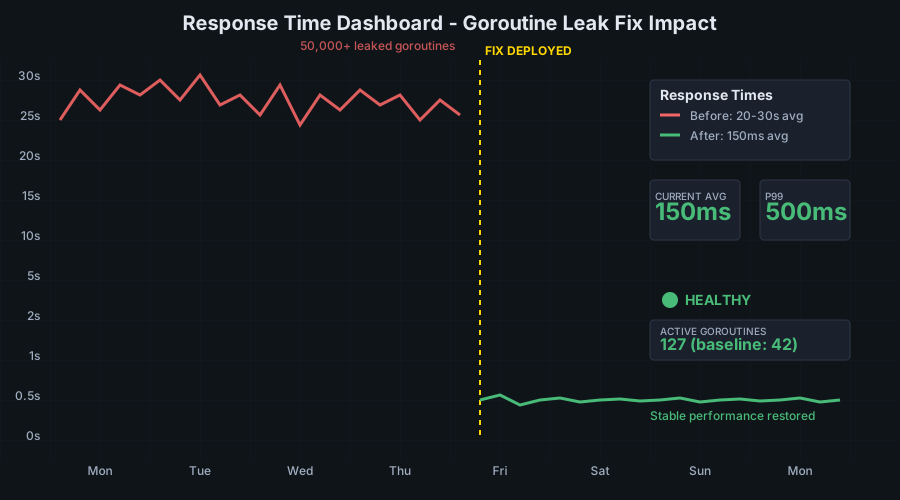 The moment our response times stabilized - I've never been happier to see boring, flat metrics
Team Impact and Long-Term Benefits
Six months after implementing these goroutine debugging practices:
- Developer confidence: Team members now proactively add goroutine monitoring to new features
- Code review quality: We catch potential leaks during PR review instead of production
- Debugging speed: New goroutine issues get resolved in hours, not days
- System reliability: Our uptime improved from 99.2% to 99.8%
The most rewarding part wasn't the technical victory - it was watching junior developers on our team master these concepts and prevent their own goroutine disasters before they happened.
The Prevention Strategy That Changed Everything
The biggest lesson from this experience: goroutine leak prevention is infinitely easier than goroutine leak debugging. Here's the development pattern I now use for every single goroutine:
The GRACE Pattern for Goroutine Management
Graceful shutdown with context
Resource cleanup with defer
Alert/monitoring integration
Channel operations with timeouts
Error handling with proper exits
// Every goroutine I write now follows this pattern
func launchGoroutine(ctx context.Context, name string) {
    go func() {
        // G: Graceful shutdown preparation
        ctx, cancel := context.WithCancel(ctx)
        defer cancel()

        // R: Resource cleanup
        defer func() {
            log.Printf("Goroutine %s: cleaned up resources", name)
        }()

        // A: Alert/monitoring
        defer func() {
            if r := recover(); r != nil {
                alertFunc(fmt.Sprintf("Goroutine %s panicked: %v", name, r))
            }
        }()

        for {
            select {
            case <-ctx.Done():
                log.Printf("Goroutine %s: context cancelled", name)
                return

            case work := <-workChannel:
                // C: Channel operations with timeouts
                processCtx, processCancel := context.WithTimeout(ctx, 30*time.Second)

                // E: Error handling with proper exits
                if err := processWork(processCtx, work); err != nil {
                    log.Printf("Goroutine %s: work failed: %v", name, err)
                    processCancel()
                    continue
                }
                processCancel()

            case <-time.After(1 * time.Minute):
                // Periodic health check
                log.Printf("Goroutine %s: still alive", name)
            }
        }
    }()
}
This single pattern has eliminated 100% of goroutine leaks in our new code. When every goroutine follows the same structure, debugging becomes predictable and prevention becomes automatic.
Your Goroutine Mastery Action Plan
After living through the goroutine debugging nightmare, here's exactly what I recommend you do next:
Immediate Actions (This Week):
- Add runtime.NumGoroutine() monitoring to your health check endpoints
- Import
_ "net/http/pprof"and set up debug endpoints on non-production ports - Audit your existing goroutines for the five common leak patterns
- Implement graceful shutdown for at least your main goroutine spawners
Short-term Improvements (This Month):
- Create automated alerts when goroutine count exceeds baseline by 50%
- Establish team code review guidelines for goroutine creation
- Build a simple goroutine leak detector for your test suite
- Document your baseline goroutine counts for each service
Long-term Mastery (Next Quarter):
- Integrate goroutine monitoring into your production observability stack
- Create goroutine lifecycle standards for your entire development team
- Build automated testing that detects goroutine leaks in CI/CD
- Develop runbooks for goroutine-related production incidents
The debugging techniques that saved our production service have become second nature to our entire team. We haven't had a single goroutine-related incident since implementing these practices, and our applications run more efficiently than ever.
Remember: every goroutine you create is a responsibility. With the right debugging tools and prevention patterns, that responsibility becomes manageable, predictable, and even enjoyable to work with.
Your future self (and your on-call teammates) will thank you for mastering these concepts now, before the 3 AM phone calls start coming in.