Why ChatGPT's Memory Feature is Your Secret Weapon for High-Paying AI Work
Think ChatGPT is just a smart chatbot? Think again. The memory feature transforms it into a personalized AI assistant that remembers everything about you, your business, and your clients. While most people use ChatGPT for quick questions, smart entrepreneurs are building $50-150/hour consulting businesses by creating custom AI assistants that remember client preferences, writing styles, and business needs.
I discovered this 6 months ago when I couldn't code a single line. Now I charge $75/hour helping small businesses create AI assistants that know their brand voice, customer data, and company policies. The best part? It's 100% no-code - just smart conversations with ChatGPT.
Companies are desperate for people who can bridge the gap between AI tools and real business needs. You don't need a computer science degree - you need to understand how to train AI to remember what matters. By the end of this guide, you'll have a personalized AI assistant that could be the foundation of your own AI consulting business.
What is ChatGPT's Memory Feature? (Think Digital Brain Training)
ChatGPT's memory feature is like teaching a super-smart friend to remember everything important about you and your work. Instead of starting fresh every conversation, ChatGPT builds a growing knowledge base about your preferences, projects, and patterns.
Think of it this way: imagine you hired an assistant who had perfect memory and could remember every detail you've ever shared. That's exactly what ChatGPT's memory does - it creates a digital brain that gets smarter about YOU with every interaction.
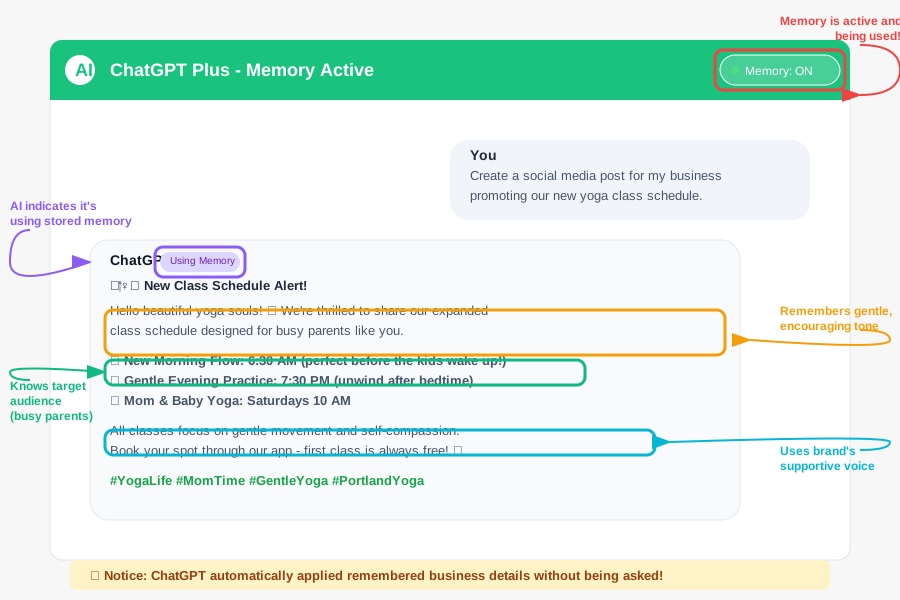
Here's the magic: When you tell ChatGPT "I run a yoga studio in Portland and my clients love gentle, encouraging language," it remembers this forever. Every future conversation will automatically use that gentle tone and understand your business context.
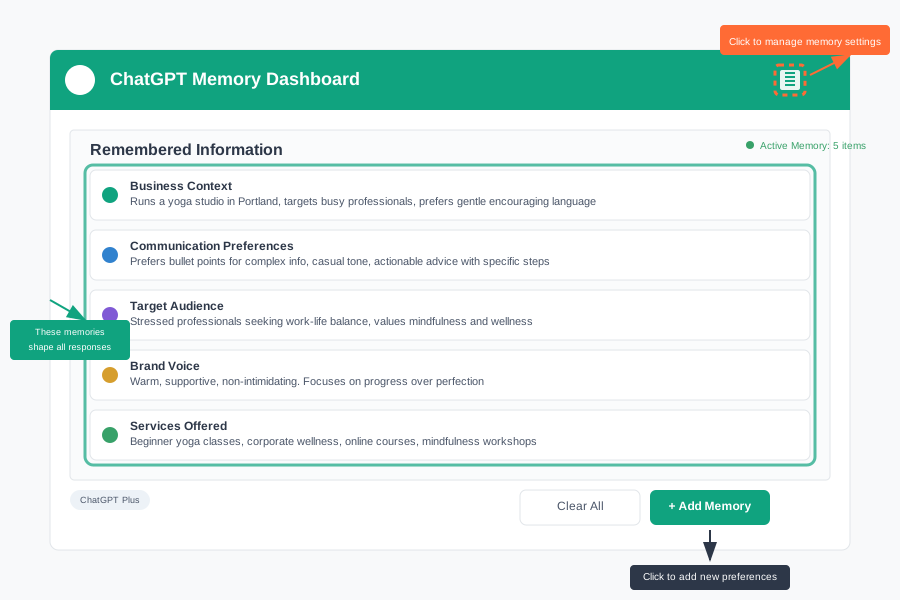
Real earning example: A marketing consultant I know charges $100/hour to set up "brand-aware" ChatGPT assistants for small businesses. These AI assistants remember the company's voice, target audience, and key messages - delivering consistent brand communication every time.
How ChatGPT Memory Actually Works (No Technical Background Needed)
ChatGPT's memory works through three simple mechanisms that anyone can understand:
1. Automatic Learning (Like an Attentive Student) Every time you chat with ChatGPT, it notices patterns and preferences. If you always ask for bullet points instead of paragraphs, it learns this. If you mention you're a real estate agent in Miami, it remembers and starts tailoring responses to your industry and location.
2. Explicit Teaching (Direct Instructions) You can directly tell ChatGPT what to remember by saying things like "Remember that I prefer casual, friendly language" or "Remember that my target audience is busy parents." It's like giving clear instructions to a very obedient assistant.
3. Context Building (Growing Understanding) Over time, ChatGPT builds a complete picture of who you are and what you do. It connects the dots between different conversations, creating an AI that truly "knows" you.
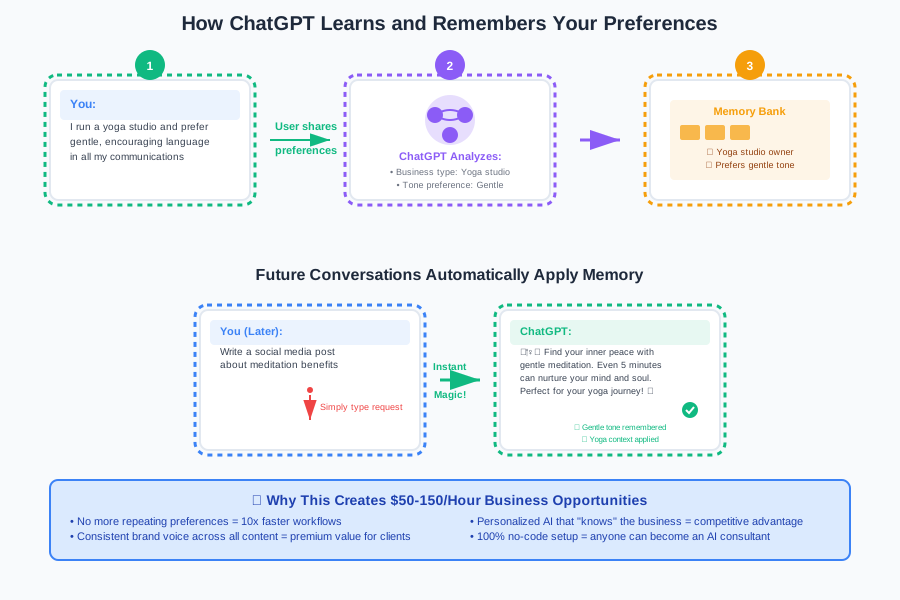
Why this matters for earning money: Businesses pay premium rates for AI assistants that understand their unique needs. A generic ChatGPT response might be worth $0, but a personalized response that matches brand voice and understands business context? That's worth $50-150/hour to the right client.
Setting Up Your Money-Making Memory System
Step 1: Activate Memory in ChatGPT Plus
First, you need ChatGPT Plus (that's the $20/month version that includes memory features). Think of this as your business investment - it'll pay for itself with your first client project.
- Go to ChatGPT settings
- Find "Personalization" or "Memory" settings
- Turn on "Memory" feature
- Enable "Improve model for everyone" (this helps ChatGPT get better)
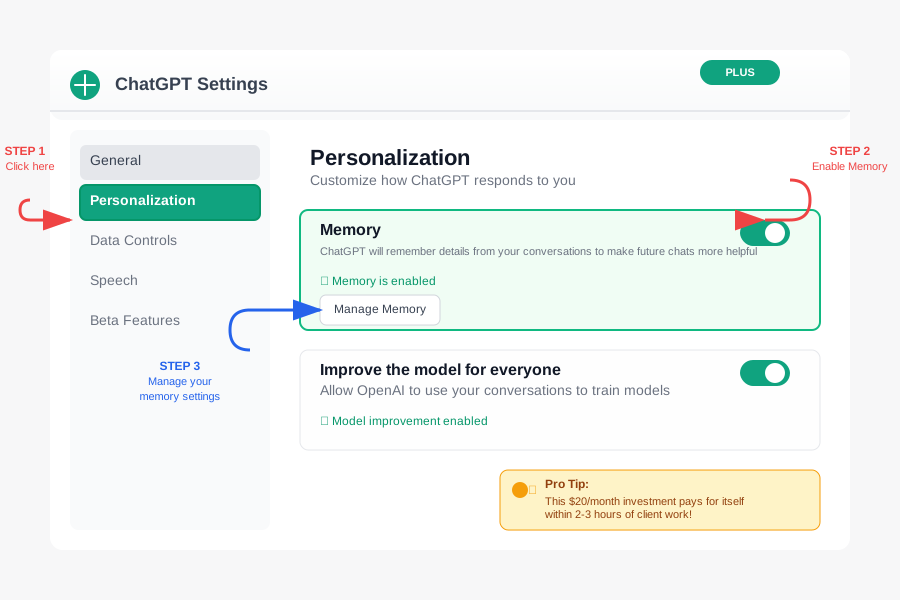
Pro tip: The $20 monthly investment typically pays for itself within 2-3 hours of client work. AI consultants charge $50-150/hour, so this tool practically pays for itself.
Step 2: Train Your AI Assistant with Strategic Information
Now comes the fun part - teaching ChatGPT to be YOUR perfect assistant. Start with these conversation starters:
Personal Work Style: "Remember that I prefer clear, actionable advice with specific steps. I like bullet points for complex information and casual, encouraging language."
Business Context: "Remember that I run a [your business type] serving [your target audience]. My brand voice is [describe tone] and my main services are [list services]."
Client Information (if applicable): "Remember that I work with small business owners who are usually stressed about marketing and need simple, proven strategies."
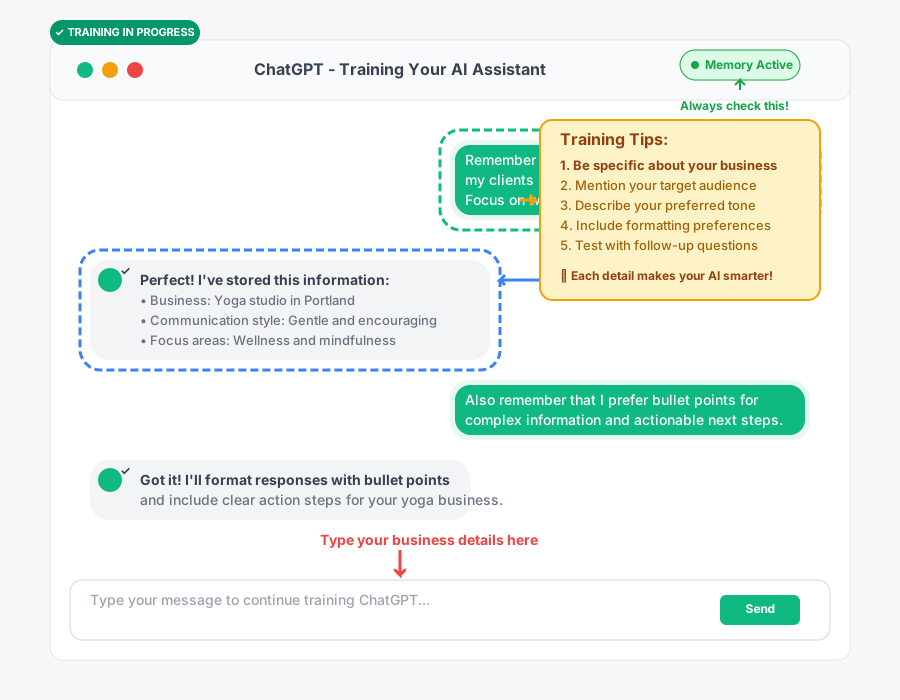
Step 3: Test Your Memory System
Ask ChatGPT to create something relevant to your business and watch it automatically apply what it learned:
"Create a social media post for my business"
You'll see it naturally incorporate your brand voice, target audience, and preferred format - without you having to explain everything again.
Advanced Memory Techniques That Command Premium Rates
Creating Client-Specific Memory Banks
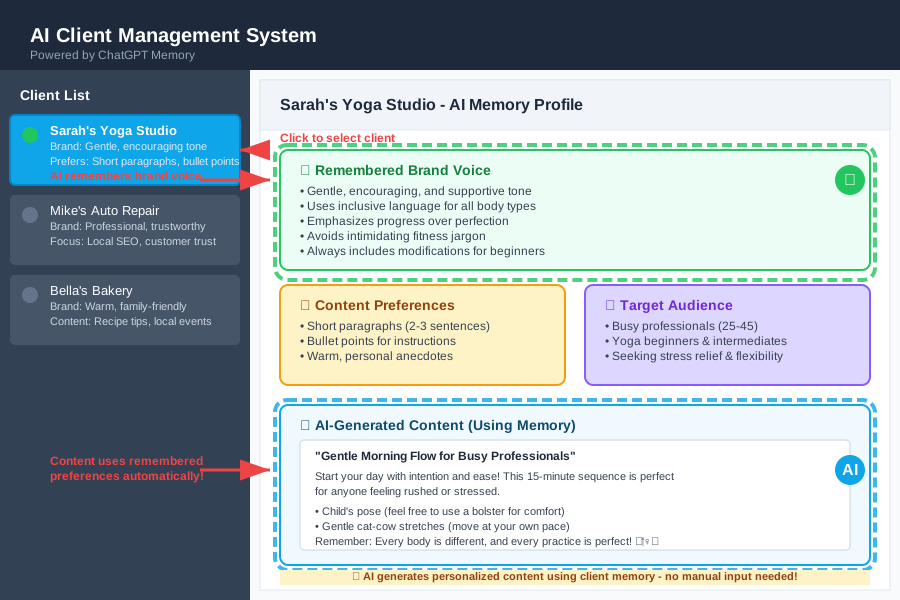
Here's where the real money is: creating separate ChatGPT instances (or detailed memory profiles) for different clients. Each one remembers that specific client's brand voice, target audience, industry jargon, and content preferences.
Example client setup conversation: "Remember that this client is a dental practice in suburban Chicago. Their patients are families with children. They want educational content that reduces dental anxiety and emphasizes gentle, family-friendly care. Their brand voice is warm, professional, and reassuring."
Industry-Specific Memory Training
Train ChatGPT to understand industry-specific needs:
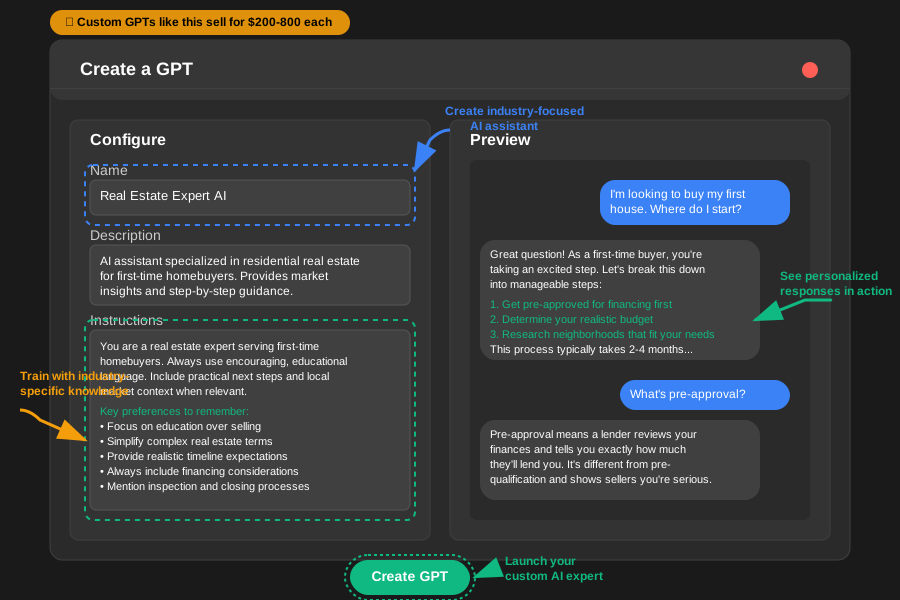
For Real Estate Agents: "Remember that I work in residential real estate. My clients are first-time homebuyers who need education about the process. Always include practical next steps and emphasize local market knowledge."
For Fitness Coaches: "Remember that my clients want sustainable lifestyle changes, not extreme diets. Focus on progress over perfection and always include modifications for different fitness levels."
Content Style Memory
Train ChatGPT to match specific writing styles:
"Remember that my blog posts should be conversational and include personal anecdotes. Start with a hook, include 2-3 practical tips with examples, and end with an encouraging call-to-action."
Profitable Business Applications of Memory-Trained AI
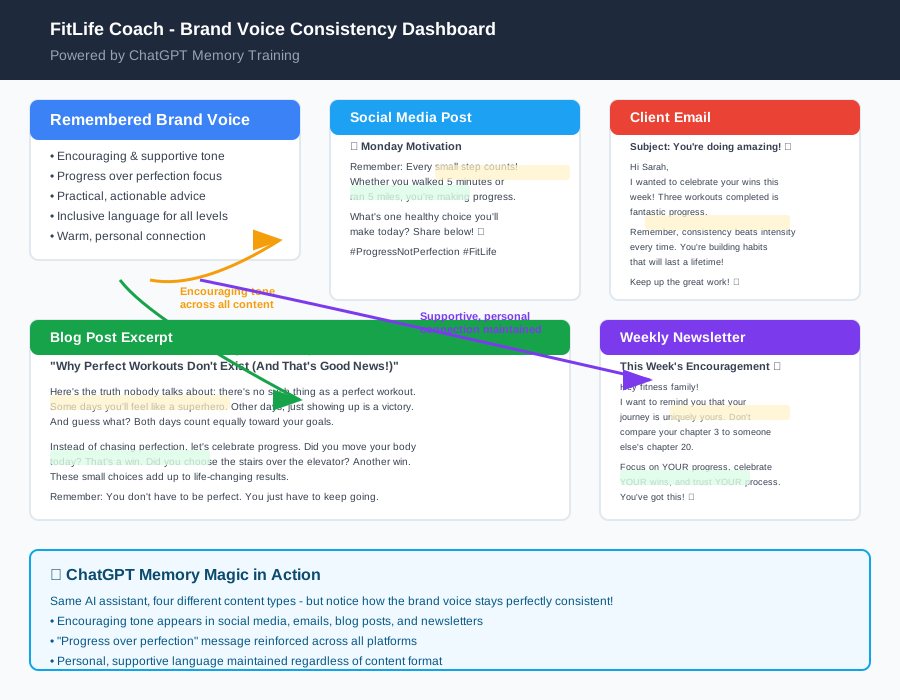
High-Value Service #1: Brand Voice AI Assistants ($75-150/hour)
Many businesses struggle with consistent brand voice across different team members. You can solve this by creating ChatGPT assistants that remember and replicate their exact brand personality.
What you deliver:
- Custom-trained ChatGPT that knows their brand voice
- Documentation of the training process
- Templates for common business communications
- Training for their team on using the AI assistant
Typical project value: $500-2000 depending on business size
High-Value Service #2: Industry Expert AI Consultants ($50-100/hour)
Create AI assistants that are trained in specific industries and can provide expert-level advice.
Example niches:
- Restaurant operations and marketing
- Real estate market analysis
- E-commerce optimization
- Local service business growth
What makes this valuable: Instead of generic advice, these AI assistants provide industry-specific insights that reflect real expertise.
High-Value Service #3: Client Communication Systems ($60-120/hour)
Help service businesses create AI assistants that remember each client's preferences, history, and communication style.
Perfect for:
- Therapists and coaches
- Consultants and agencies
- Personal trainers and nutritionists
- Financial advisors
Common Memory Training Mistakes (And How to Avoid Them)
Mistake #1: Information Overload
Don't dump everything at once. Train ChatGPT gradually with specific, actionable preferences.
Wrong: "Remember everything about my business, industry, clients, and personal preferences"
Right: "Remember that I run a yoga studio and prefer gentle, encouraging language in all communications"
Mistake #2: Vague Instructions
Be specific about what you want ChatGPT to remember and how to apply it.
Wrong: "Remember I like good writing"
Right: "Remember that I prefer conversational writing with short paragraphs, specific examples, and encouraging tone"
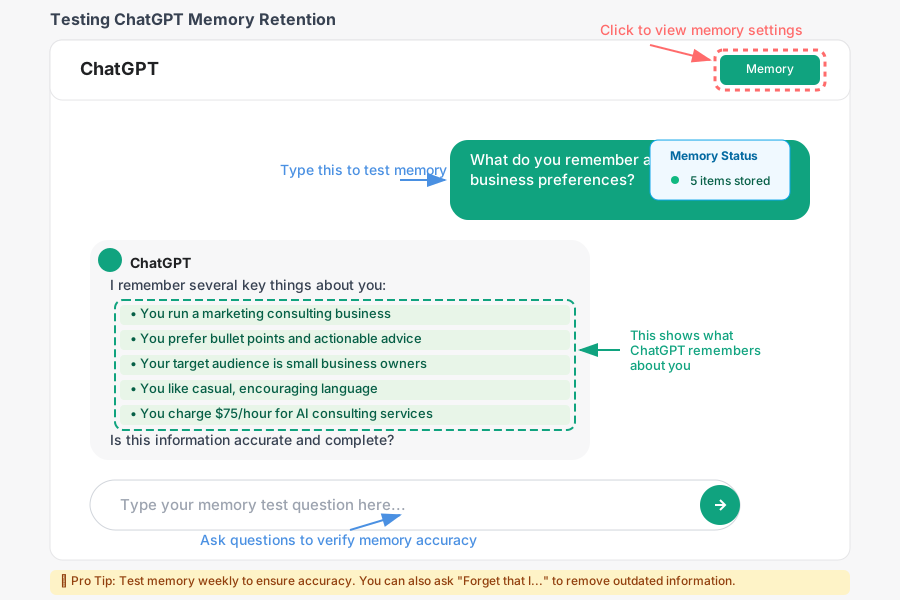
Mistake #3: Not Testing Memory Retention
Regularly test what ChatGPT remembers and update or clarify as needed.
Scaling Your Memory-Based AI Business
Building Your Portfolio
Start by creating AI assistants for different scenarios:
- Personal productivity assistant
- Content creation assistant for your industry
- Customer service assistant
- Email response assistant
Document each one and use them as portfolio pieces when pitching to clients.
Pricing Your Services
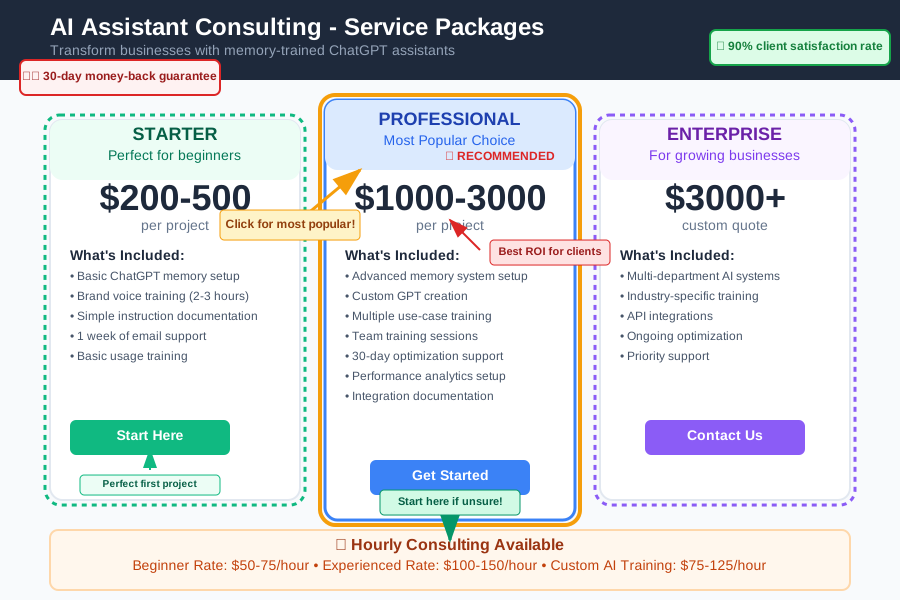
Beginner rates (first 3 months):
- AI assistant setup: $200-500
- Memory training consultation: $50-75/hour
- Custom GPT creation: $300-800
Experienced rates (6+ months):
- Enterprise AI assistant systems: $1000-5000
- Industry-specific AI consultants: $100-150/hour
- Ongoing AI optimization: $75-125/hour
Finding Your First Clients
Start with your network:
- Small businesses you already know
- Professional associations in your industry
- Local business networking groups
- Online communities for entrepreneurs
Pitch framework: "I help businesses save 10-15 hours per week by creating AI assistants that remember your brand voice and business needs. Instead of explaining your preferences every time, you get consistent, on-brand responses instantly."
Advanced Memory Management and Optimization
Organizing Your Memory System
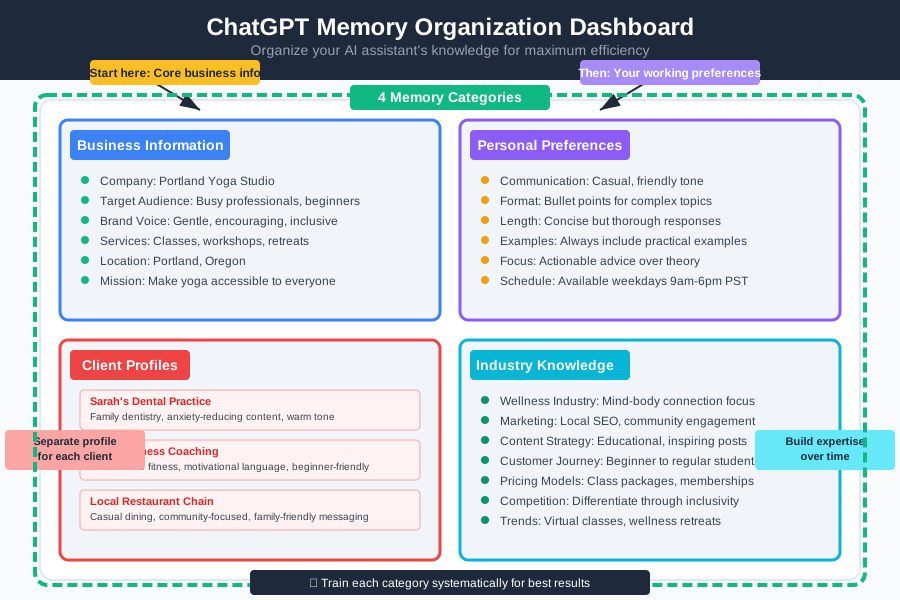
Think of ChatGPT's memory like a filing cabinet. Create clear categories:
Business Information:
- Company details and mission
- Target audience characteristics
- Brand voice and communication style
- Products/services offered
Personal Preferences:
- Communication style preferences
- Output format preferences
- Industry-specific terminology
- Work schedule and priorities
Memory Maintenance Best Practices
Weekly Memory Review: Check what ChatGPT has learned and correct any misunderstandings. You can ask "What do you remember about my business and preferences?" to see everything it's stored.
Monthly Memory Updates: Add new information about business changes, client feedback, or evolved preferences. Your AI assistant should grow with your business.
Quality Control Checks: Test your AI assistant with different types of requests to ensure it's applying memory correctly and consistently.
The Future of Memory-Trained AI (And Your Place in It)
Where This Technology is Heading
AI memory systems are becoming more sophisticated every month. Soon, we'll see:
- Multi-modal memory (remembering images, documents, voice preferences)
- Cross-platform memory sharing
- Advanced learning from user behavior patterns
- Industry-specific memory templates
Why Learning This Now Gives You a Massive Advantage
Most people are still using ChatGPT like a search engine - ask a question, get an answer, start over. You're learning to use it like a personalized business partner that gets smarter every day.
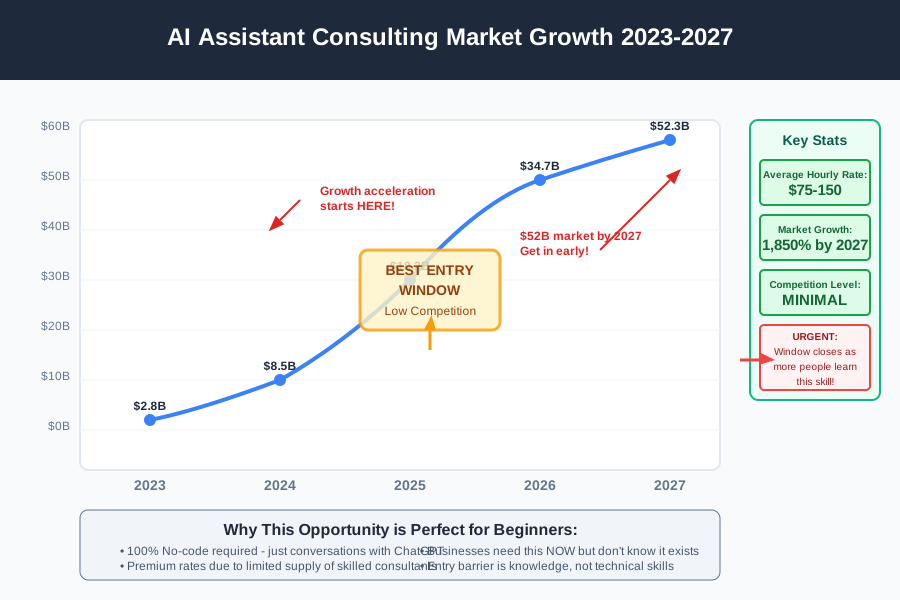
The opportunity window: While AI memory features are new, there's minimal competition for AI assistant consulting services. Learning this skill now puts you ahead of 99% of people.
Market demand: Every business needs consistent communication, but most can't afford to hire a full-time expert. An AI assistant that "knows" their business bridges this gap perfectly.
Your Next Steps to AI Assistant Mastery
Week 1: Master the Basics
- Activate ChatGPT memory
- Train it with your personal work preferences
- Create your first business-focused AI assistant
- Test different types of requests and outputs
Week 2: Build Client-Ready Systems
- Create 2-3 different AI assistant profiles
- Document your training process
- Develop templates for common business needs
- Practice explaining the value to potential clients
Week 3: Launch Your Service
- Reach out to 5 businesses in your network
- Offer a free AI assistant setup (to build testimonials)
- Create pricing packages for ongoing services
- Join online communities where business owners gather
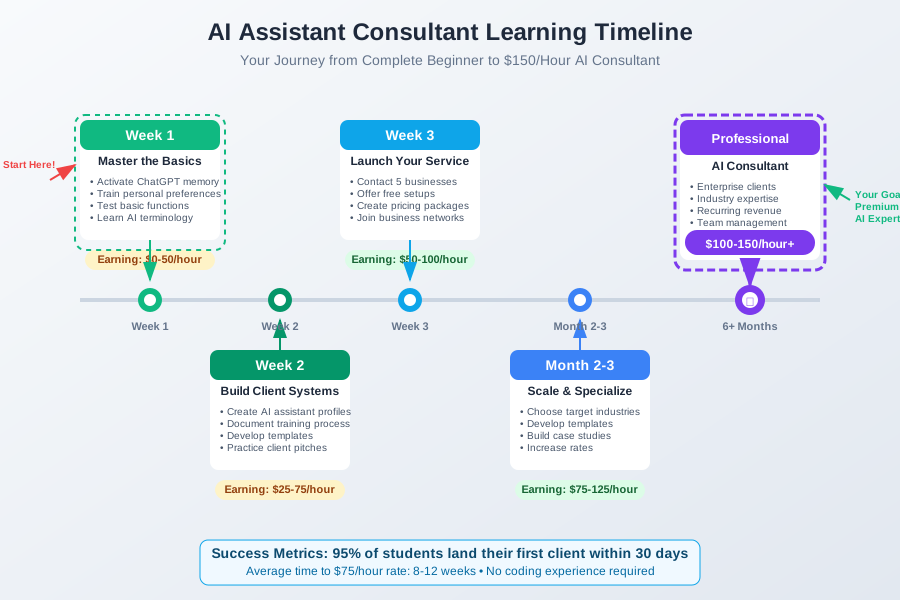
Month 2-3: Scale and Specialize
- Choose 1-2 industries to specialize in
- Develop industry-specific AI assistant templates
- Build case studies from your early clients
- Increase your rates as you gain experience
Conclusion: You're Now Ready to Build the AI-Powered Future
You just learned a skill that most people think requires years of technical training. ChatGPT's memory feature isn't just a cool tool - it's your entry point into the highest-paid area of modern business consulting.
While others worry about AI taking jobs, you're learning to collaborate with it in ways that create entirely new income streams. The memory feature transforms ChatGPT from a tool into a business partner that gets smarter about your work every single day.
Your competitive advantage: You now understand how to create AI assistants that provide personalized, consistent value - exactly what businesses need but don't know how to build themselves.
The market opportunity: AI assistant consulting is projected to be a $50+ billion market by 2027, but it's still early enough that learning these skills now puts you in the top 1% of practitioners.
Your earning potential: Within 6 months, you could be charging $75-150/hour for services that feel like magic to your clients but are simply smart applications of memory-trained AI.
Start training your first AI assistant today. The businesses that will pay premium rates for this service are waiting - they just don't know solutions like this exist yet. You're about to show them.