Picture this: Your favorite anime NFT collection just announced staking rewards, and you're sitting there wondering if it's another "too good to be true" crypto scheme. Well, buckle up, because Azuki's AZUKI yield farming might just be the legitimate anime-powered goldmine you've been searching for.
The Azuki ecosystem has evolved beyond simple PFP trading into a comprehensive yield farming platform. AZUKI token holders can now stake their anime NFTs and earn passive rewards while maintaining ownership of their digital collectibles. This guide covers everything from basic staking mechanics to advanced farming strategies.
What is Azuki AZUKI Yield Farming?
Azuki AZUKI yield farming combines NFT staking with decentralized finance protocols. Users lock their Azuki NFTs in smart contracts to earn AZUKI tokens as rewards. The system incentivizes long-term holding while providing utility for the anime-themed collection.
Core Components of Azuki Staking
AZUKI Token Economics
- Native utility token for the Azuki ecosystem
- Earned through NFT staking rewards
- Used for governance voting and platform features
- Deflationary tokenomics with periodic burns
Supported NFT Collections
- Original Azuki collection (10,000 pieces)
- Beanz official collection
- Elemental Azuki variants
- Special collaboration pieces
Staking Reward Structure
- Base APY varies by collection rarity
- Bonus multipliers for long-term staking
- Additional rewards during special events
- Compound staking options available
How Azuki NFT Staking Works
The Azuki staking mechanism operates through verified smart contracts on Ethereum mainnet. Users deposit NFTs while retaining ownership rights and earning proportional AZUKI tokens.
Step-by-Step Staking Process
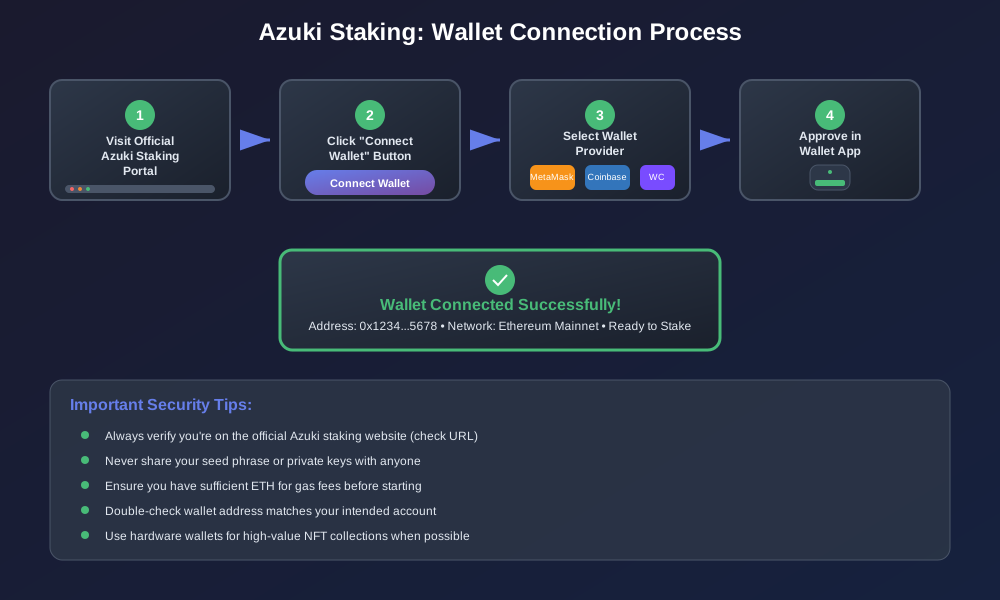
1. Connect Your Wallet
// Example wallet connection for Azuki staking
const connectWallet = async () => {
  if (window.ethereum) {
    const accounts = await ethereum.request({
      method: 'eth_requestAccounts'
    });
    return accounts[0];
  }
};
2. Approve NFT Collection Access the official Azuki staking portal and approve your NFT collection for staking. This transaction allows the smart contract to interact with your tokens.
3. Select NFTs for Staking Choose which Azuki NFTs to stake based on:
- Individual rarity scores
- Current reward multipliers
- Personal collection goals
- Market value considerations
4. Confirm Staking Transaction Execute the staking transaction through your connected wallet. Gas fees typically range from $15-50 depending on network congestion.
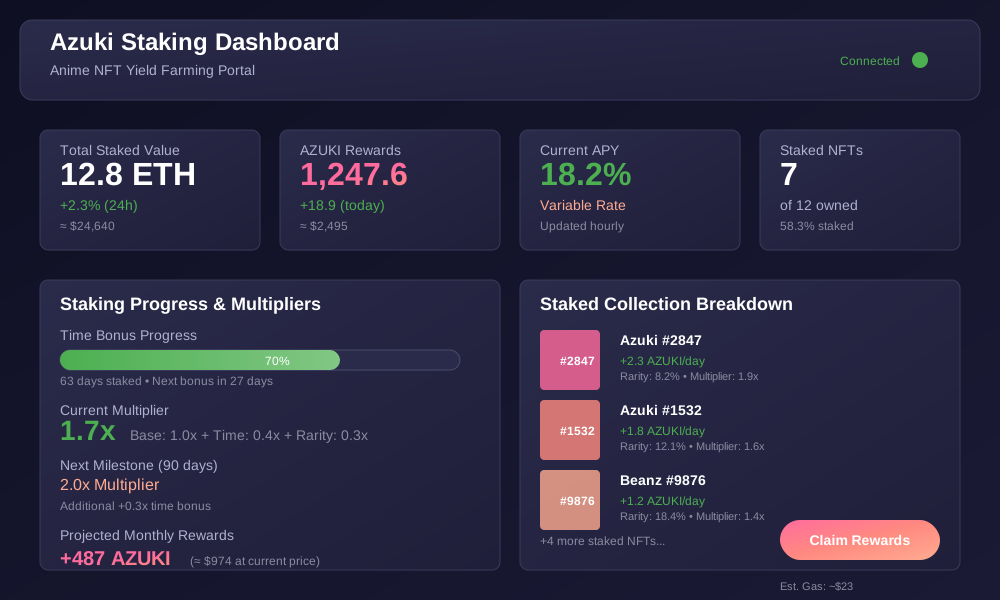
5. Monitor Staking Rewards Track your accumulated AZUKI tokens through the dashboard. Rewards compound automatically unless manually claimed.
Reward Calculation Formula
Daily AZUKI Rewards = (NFT Base Rate × Rarity Multiplier × Time Bonus) ÷ 365
Example Calculation:
- Base Rate: 100 AZUKI/year per NFT
- Rarity Multiplier: 1.5x (for rare traits)
- Time Bonus: 1.2x (after 90 days staking)
- Daily Reward: (100 × 1.5 × 1.2) ÷ 365 = 0.49 AZUKI tokens
Advanced Yield Farming Strategies
Experienced farmers optimize returns through portfolio diversification and strategic timing. These methods require market analysis and risk assessment skills.
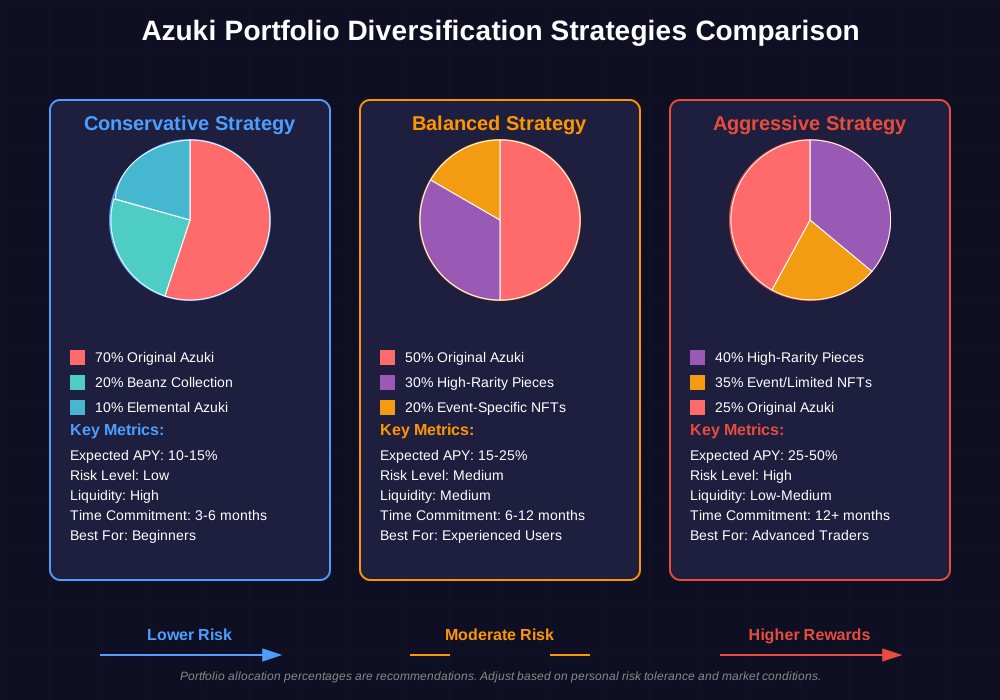
Multi-Collection Strategy
Portfolio Allocation:
- 60% Original Azuki (stable rewards)
- 25% High-rarity pieces (bonus multipliers)
- 15% Event-specific NFTs (temporary boosts)
This distribution balances consistent income with high-yield opportunities while managing downside risk.
Seasonal Farming Cycles
Q1-Q2: Accumulation Phase
- Stake maximum NFTs during low gas periods
- Focus on long-term multiplier buildup
- Reinvest rewards for compound growth
Q3-Q4: Optimization Phase
- Evaluate individual NFT performance
- Rotate underperforming assets
- Capture seasonal reward bonuses
Compound Staking Benefits
Reinvesting AZUKI rewards into additional NFT purchases creates compound growth effects:
Year 1: 1000 AZUKI earned
Year 2: 1000 + (1000 × 0.15) = 1150 AZUKI
Year 3: 1150 + (1150 × 0.15) = 1322 AZUKI
Calculating Your Staking Returns
Accurate return calculations help optimize farming decisions and set realistic expectations. Use these formulas to project earnings.
Basic APY Calculation
Formula:
APY = ((Final Value - Initial Value) ÷ Initial Value) × 100
Variables to Consider:
- NFT floor price fluctuations
- AZUKI token price changes
- Staking reward rate adjustments
- Gas costs for claiming rewards
Risk-Adjusted Returns
Smart farmers calculate returns after accounting for potential losses:
Adjusted APY = (Gross APY - Risk Premium) × Volatility Factor
Where:
- Risk Premium: 2-5% for NFT price volatility
- Volatility Factor: 0.8-1.2 based on market conditions
ROI Comparison Tools
| Strategy | APY Range | Risk Level | Liquidity |
|---|---|---|---|
| Basic Staking | 8-15% | Low | 48hr unlock |
| Compound Farming | 12-25% | Medium | 7-day unlock |
| Event Farming | 20-50% | High | Variable |
Common Staking Mistakes to Avoid
New farmers often make costly errors that reduce overall returns. Learn from these common pitfalls before starting.
Mistake #1: Ignoring Gas Costs
Claiming small reward amounts frequently results in negative net returns due to Ethereum transaction fees. Optimal claiming frequency depends on reward size and current gas prices.
Solution: Batch claim rewards when gas costs represent less than 5% of reward value.
Mistake #2: Panic Unstaking
Market volatility causes emotional decisions that sacrifice long-term multipliers. The time bonus system rewards patience with exponentially higher returns.
Solution: Set predetermined exit criteria before staking begins.
Mistake #3: Single Collection Focus
Concentrating all NFTs in one collection increases exposure to collection-specific risks like reduced demand or reward rate changes.
Solution: Diversify across 2-3 compatible collections within the Azuki ecosystem.
Security Best Practices
NFT staking involves smart contract interactions that create security risks. Follow these practices to protect your assets.
Smart Contract Verification
Always verify official contract addresses through:
- Azuki's verified Twitter account
- Official Discord announcements
- Etherscan contract verification
- Community-verified contract lists
Never interact with contracts from:
- Unverified social media posts
- Discord DMs or private messages
- Third-party websites claiming higher rewards
- Recently deployed contracts without audit history
Wallet Security
Hardware Wallet Usage Store high-value NFTs in hardware wallets even during staking periods. Many protocols support hardware wallet integration for enhanced security.
Transaction Verification Review all transaction details before signing:
- Recipient contract address
- NFT token IDs being staked
- Approval amounts and permissions
- Gas limit and fee estimates
Azuki Ecosystem Roadmap Impact
Future developments in the Azuki ecosystem will affect staking rewards and utility. Stay informed about upcoming changes.
Planned Updates
Q3 2025: Azuki Land Integration
- Staked NFTs gain land parcel benefits
- Additional utility token rewards
- Cross-platform staking opportunities
Q4 2025: Gaming Integration
- Play-to-earn mechanics for staked NFTs
- Character progression systems
- Tournament reward distributions
Community Governance
AZUKI token holders vote on:
- Reward rate adjustments
- New collection additions
- Platform feature implementations
- Treasury fund allocations
Active participation in governance ensures favorable outcomes for stakers and long-term ecosystem health.
Getting Started with Azuki Staking Today
Ready to begin your Azuki AZUKI yield farming journey? Follow this streamlined setup process.
Prerequisites Checklist
- Ethereum wallet (MetaMask, WalletConnect compatible)
- Sufficient ETH for gas fees ($50-100 recommended)
- Azuki NFTs in your wallet
- Basic understanding of DeFi risks
Recommended First Steps
- Start Small: Stake 1-2 NFTs initially to learn the process
- Monitor Performance: Track rewards for 2-4 weeks
- Scale Gradually: Increase staking amount based on results
- Join Community: Follow official channels for updates
The Azuki AZUKI yield farming ecosystem offers genuine utility for anime NFT collectors while providing passive income opportunities. Success requires patience, proper risk management, and staying informed about platform developments.
Smart farmers who start with small amounts, learn the mechanics, and gradually scale their operations typically achieve the best risk-adjusted returns. The combination of NFT ownership retention and token rewards creates a unique value proposition in the current DeFi landscape.